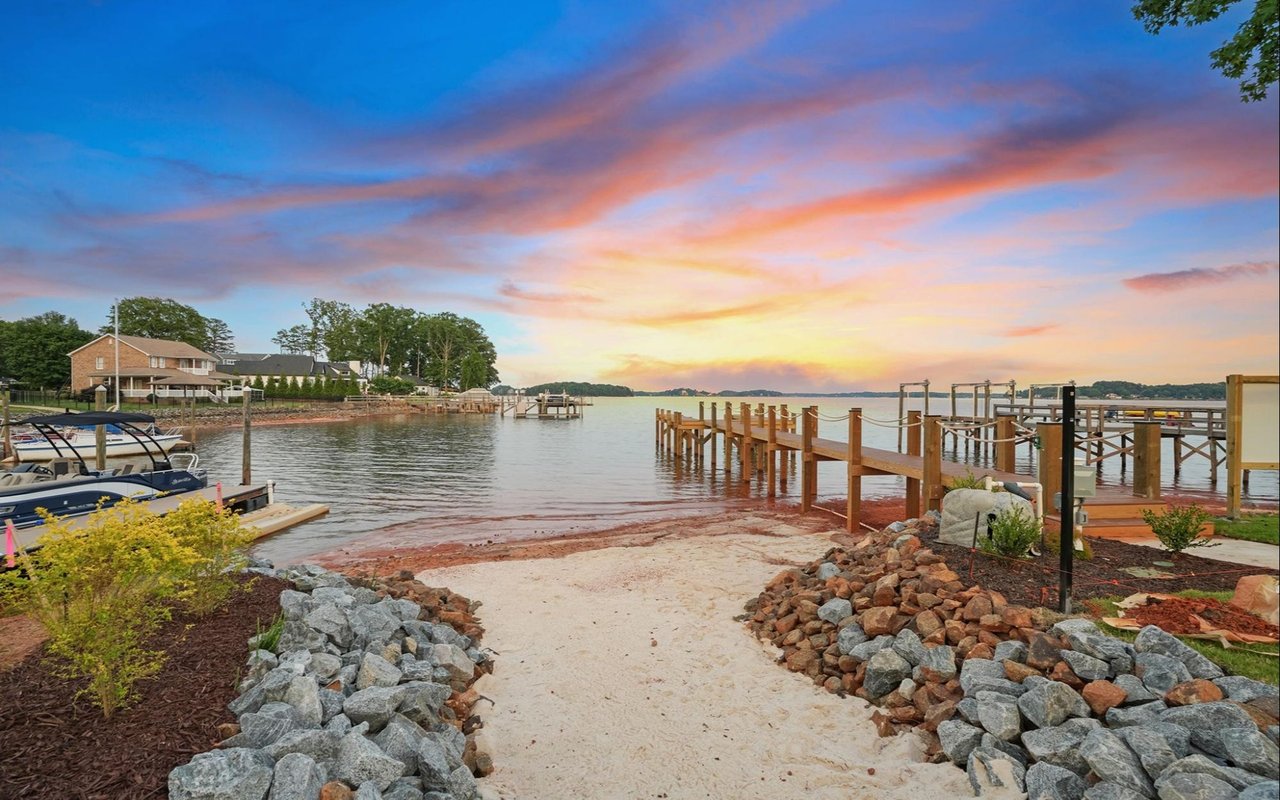
Buying a home along the shores of Lake Norman is a dream for many. Whether you’re drawn to the breathtaking sunsets over the water, the thrill of launching your boat from your backyard, or simply the tranquility that comes with living in
Cornelius,
Davidson, or
Mooresville, the lakefront lifestyle has endless appeal in the incredible
Lake Norman region.
Before you can relax on your dock or host gatherings on your deck, however, there’s an important step you don’t want to skip: the home inspection. This crucial phase can help ensure that your waterfront investment meets your expectations and truly becomes the retreat you envision.
A home inspection isn’t just about ticking a box during the purchase process; it’s a proactive step that empowers you to move forward with confidence. If you’re wondering what to expect from a home inspection in the Lake Norman region, you’re in the right place. Here’s everything you need to know for a smooth and stress-free experience.
Key Takeaways
- Expect a comprehensive assessment of both the interior and exterior, with extra attention to waterfront-related features.
- Inspectors will review shoreline, dock, seawall, and drainage systems specific to waterfront properties.
- A thorough inspector can identify potential issues before you close on your dream lakefront home. The process helps you make informed decisions and avoid surprises after moving in.
Understanding the Basics: The Home Inspection Process
A home inspection is an essential part of the real estate journey. In the Lake Norman region, this step is especially important due to the variety of properties available, ranging from charming bungalows to lavish estates on the water.
Home inspectors follow a detailed checklist that goes far beyond a simple walk-through. You can expect the inspector to arrive with a methodical approach. They’ll examine visible and accessible areas of the property, including the roof, walls, ceiling, flooring, windows, doors, foundation, plumbing, HVAC system, and electrical components. Inspectors also use specialized tools to check for moisture, electrical safety, and structural soundness.
For homes in the Lake Norman region, local inspectors are familiar with the climate challenges unique to this part of North Carolina. For example, many properties on Lake Norman have piers, boat lifts, and seawalls, each with its own inspection checklist. You can expect your inspector to evaluate the structural integrity of these features, examine for water damage or rot, and assess how the shoreline interacts with your property. The goal is to identify anything that could impact the long-term enjoyment of your home or add unexpected costs after you move in.
As a buyer, this is your opportunity to attend the inspection (if possible) and ask questions in real time. Most inspectors are happy to walk you through their findings and offer maintenance tips for keeping your new property in peak condition.
What’s Included in a Home Inspection?
- Review of structural components, roofing, and foundation.
- Testing major systems: electrical, plumbing, and HVAC.
- Detailed evaluation of interior spaces and exterior elements.
- Focus on drainage and moisture issues near the lake.
- Examination of water-related amenities like docks and seawalls.
Waterfront and Lakefront-Specific Inspection Elements
Owning a home on Lake Norman means enjoying a front-row seat to all the fun and natural wonders of the region, but it comes with its own set of considerations during the inspection.
Naturally, waterfront properties face more exposure to the elements than typical inland homes. Humidity, storms, and fluctuating water levels can all have an effect. For these reasons, inspectors must pay careful attention to anything that could be impacted by water and weather.
Expect your inspection to go beyond the main house. A detailed, effective inspector will
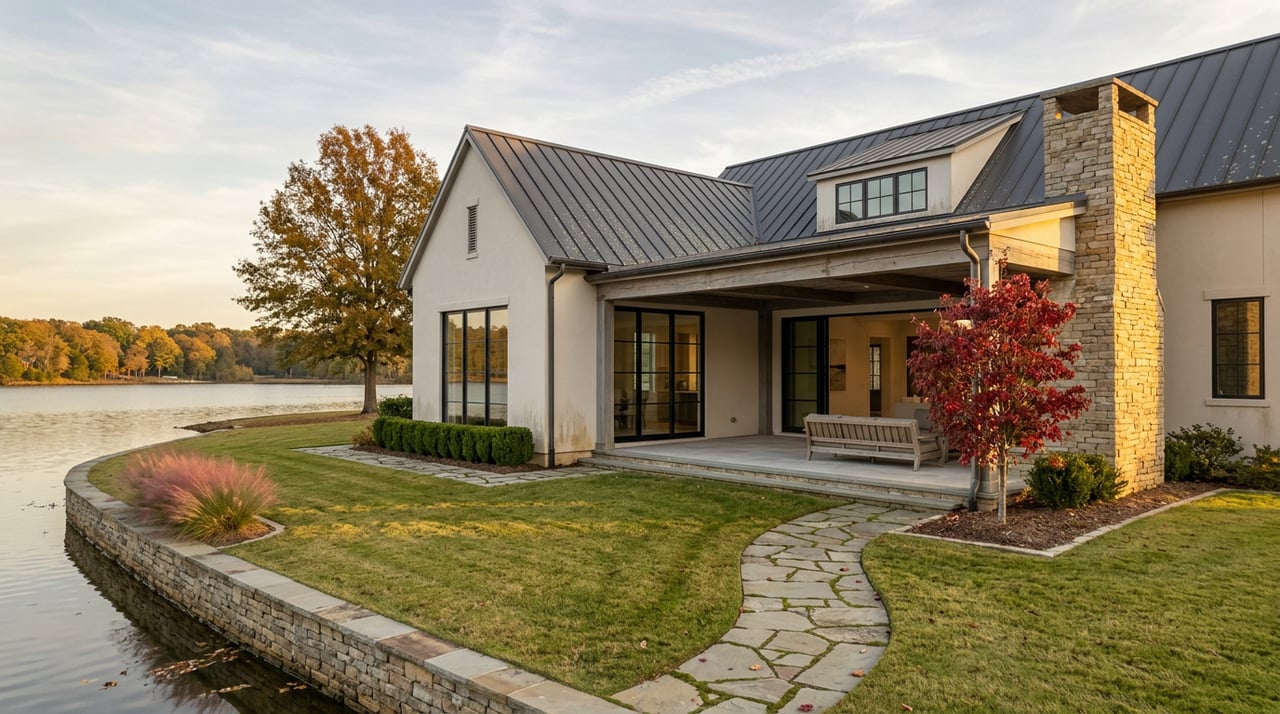
examine docks, seawalls (sometimes called bulkheads), boathouses, and boat lifts. These features are expensive to repair or replace, so an expert eye can help you avoid surprises.
The inspector will also check for signs of shoreline erosion or issues with retaining walls. In some cases, you may want to pursue a separate, specialized inspection for marine or dock structures, as not all general home inspectors are certified for assessing these details.
Lakefront Property Inspection Checklist
- Docks, piers, and boat lifts for structural soundness.
- Seawalls and bulkheads for cracks, wear, or water seepage.
- Shoreline stability and drainage patterns.
- Outdoor electrical systems (for lighting, lifts, etc.) and GFCI protection.
- Landscaping and retaining walls for erosion control.
- Outbuildings or watercraft storage for condition and safety.
Moisture, Drainage, and Foundation Considerations
One of the most critical aspects of inspecting a waterfront property is understanding how moisture impacts the home and the surrounding land. Lake Norman’s proximity brings both beauty and unique challenges. Water can seep into foundations, crawlspaces, and basements, leading to long-term issues if not properly managed. Mold and mildew are also more common concerns, and inspectors will be on the lookout for any signs of these problems.
Proper drainage is essential for lakefront homes. Inspectors will assess whether the water flows away from the foundation and how rainwater or runoff is managed. You can expect the inspection report to highlight any grading issues, blocked drainage, or standing water that could cause damage over time.
Moisture and Drainage Inspection Points
- Grading and slope of land around the house.
- Foundation cracks or signs of water.
- Condition of sump pumps and drainage systems.
- Evidence of mold, mildew, or musty odors.
- Gutters and downspouts for proper water channeling.
Roof, Siding, and Exterior Maintenance
Homes in the Lake Norman region, especially those directly on the water, are exposed to more intense sunlight, wind, and storms than residences further inland. Thus, the inspector will look for wear and tear that could be accelerated by these conditions. Roofs are scrutinized for missing shingles, soft spots, or evidence of leaks. Siding, whether brick, wood, or composite, is assessed for rot, warping, or gaps that could allow water intrusion.
Decks and exterior woodwork are particularly vulnerable to the elements. The inspector will examine the condition of railings, steps, and posts, all of which need to withstand the extra humidity.
Exterior and Roofing Inspection
- Roof shingles, flashing, and vents.
- Siding and trim for rot, gaps, or weathering.
- Deck boards, posts, and railings.
How to Prepare for a Home Inspection
Being proactive can help ensure you get the most accurate and complete report possible. Before the day arrives, if you have specific concerns — like potential
shoreline issues — share these in advance so your inspector can pay special attention.
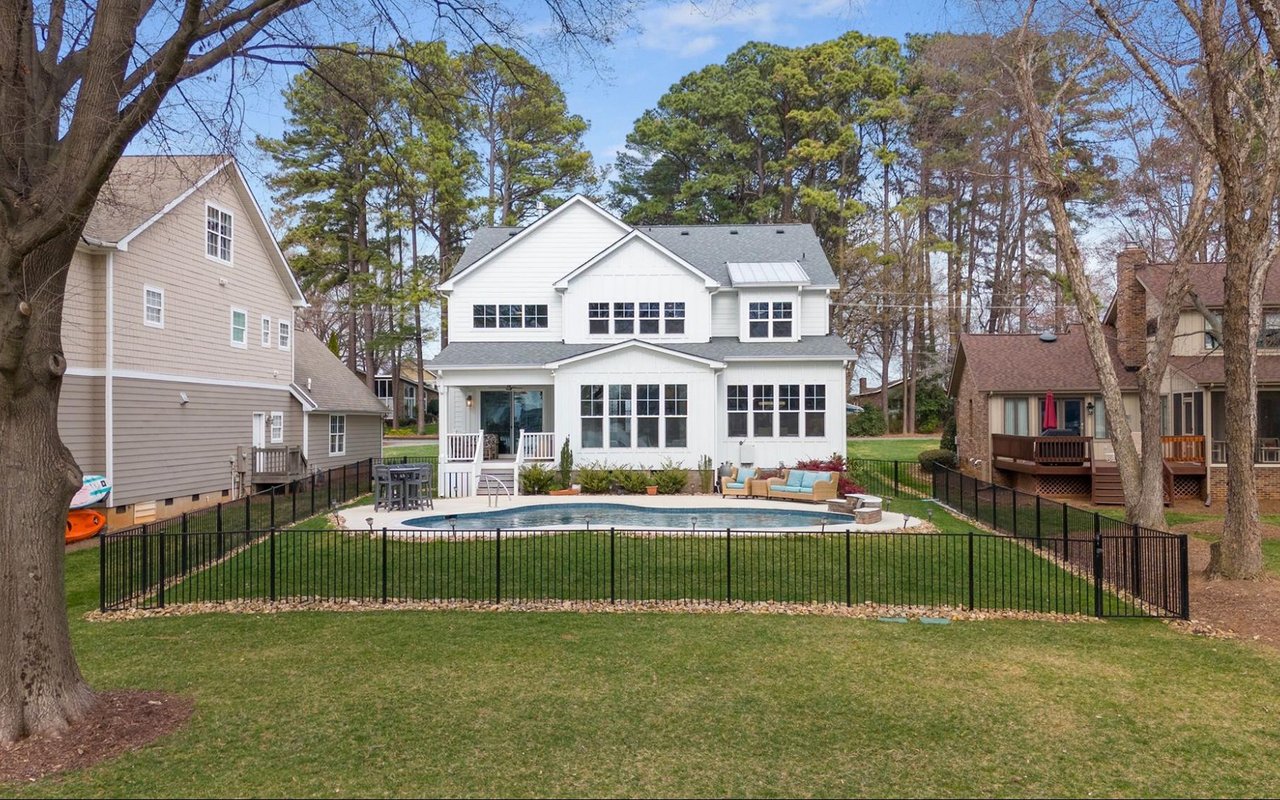
If you’re buying a home with outbuildings, a pool, or special landscaping features, let your inspector know. They may suggest a specialty inspection for pools or advanced irrigation systems. Bring a notepad or list of questions to the inspection and, if possible, attend in person. This allows you to witness any issues firsthand and get answers about maintenance.
Preparing for the Inspection: Action Items
- Provide a list of features you would like to be closely examined.
- Plan to be present or available for questions.
- Ask about specialty inspections for docks, pools, or septic systems.
- Bring a notebook or camera for notes and photos.
After the Inspection: Understanding Your Report
Once the inspection is complete, you’ll receive a detailed report outlining the findings with photos and recommendations for repairs or maintenance. In the Lake Norman region, expect special notes about lakefront elements and moisture management. The report may highlight urgent repairs or suggest ongoing upkeep to protect your investment.
This is your opportunity to follow up with your inspector about any items you don’t understand. Don’t hesitate to ask for clarification or for referrals to local contractors who specialize in lakefront home maintenance. Many buyers use the report as a checklist for their first year in the home, helping to prioritize projects and budget for future updates.
What to Expect
- Comprehensive summary of findings, with photos and details.
- Categorization of items by urgency (safety, immediate repair, maintenance).
- Notes on dock, shoreline, and lakefront features.
- Guidance on next steps for repairs or further evaluations.
FAQs
What Does a Lake Norman Home Inspection Include?
The home inspection includes a thorough assessment of the home’s structure, systems (like plumbing, electrical, HVAC), and lakefront features, such as docks, seawalls, and boat lifts. Inspectors also look for signs of moisture issues, shoreline erosion, and drainage problems.
Should I Get a Dock or Seawall Inspected Separately?
While many home inspectors are familiar with docks and seawalls, not all are specialists. For properties with complex marine structures in place, you may want a separate inspection by a certified marine contractor to ensure every component is checked.
How Long Does the Inspection Take?
Most home inspections take two to four hours, depending on the size of the house and the number of features. Plan for additional time if the property includes various amenities.
Can I Attend the Inspection?
Yes, buyers are encouraged to attend the inspection if possible. This allows you to see issues firsthand, ask questions, and better understand your future home.
Your Lake Norman Adventure Starts Here
There’s nothing quite like the lifestyle found along the shores of Lake Norman. From early morning fishing to sunset cruises, every day brings new opportunities to enjoy your surroundings. With a little preparation and the right expertise on your side, you’ll be ready to settle into your Lake Norman dream home in no time.
Do you have questions about waterfront living or the inspection process? Are you ready to find a stunning home on Lake Norman? Reach out to me,
Nicole Leininger. I’m here to guide you every step of the way.