Septic, Lift Stations, and the Lincoln County Permit Process: What Denver-Side Lake Norman Buyers Should Verify Before Due Diligence Ends
June 25, 2026
June 25, 2026
You are three weeks from closing on a waterfront home in Sailview. The general inspection report came back clean. The dock has a current Duke Energy permit. Your lender has cleared conditions. Then your agent asks whether the seller has the maintenance log for the basement lift station, and you realize no one has opened the panel.
This is the part of a Denver-side transaction the standard contingency does not catch. On the western shore of Lake Norman, the wastewater system carries more closing risk than the roof, the HVAC, or the dock, and the 2026 market has finally given buyers enough room to do something about it.
The Denver side of Lake Norman runs on private septic, often paired with a lift station that pumps basement waste uphill to a tank. Lincoln County regulates the permits in person, the Catawba River basin restricts where any replacement drainfield can sit, and the lots most buyers want are the same lots where setback math leaves the least room for a fix. A stock home inspection does not surface any of this. Your due diligence window does, if you know what to ask for.
East-shore buyers in Mecklenburg and most of Iredell County are usually buying onto municipal sewer. Denver buyers are usually not. Lincoln County's rapid residential growth, driven by proximity to the Charlotte metro and Lake Norman's western shore, means Lincoln County Environmental Health is processing a high volume of new-construction and replacement septic permits, and almost every lakefront and near-lake home in the 28037 zip code is on a private system.
Four subdivisions concentrate the lift-station risk:
In each of these communities, a basement bathroom or laundry below the tank elevation needs ten to thirty feet of vertical lift to move waste into the septic system. When the pump fails, you have roughly two to four hours before sewage backs up into the finished space. There is no gravity backup.
If a system fails after closing and a replacement drainfield is required, two separate rules govern where it can go.
The first is the state floor. North Carolina's onsite wastewater rules require a fifty-foot setback from the normal pool elevation of any lake or pond. That is the minimum.
The second is the Catawba River basin riparian buffer. The Catawba Riparian Buffer Rules, enforced by the State, apply within fifty feet of all riparian shorelines along the Catawba main stem, which includes all of Lake Norman per Lincoln County's Source Water Protection Plan. On lakefront lots inside the watershed overlay, environmental health staff commonly require one hundred or more feet from shoreline to drainfield, and depending on soils may require an advanced or nitrogen-reducing treatment system rather than a conventional one.
Now combine that with a typical Denver lakefront lot footprint. The home, the driveway, the existing drainfield, and the required repair area all have to fit between the road and the shoreline buffer. On the narrow lots that command the best water views, the math sometimes does not work. That is the conversation you want to have before you waive due diligence, not after a pump alarm goes off in February.
This is the procedural quirk that surprises out-of-state buyers and out-of-county contractors alike. Lincoln County Environmental Health does not accept online septic permit applications. Every Improvement Permit, Authorization to Construct, Repair Permit, Existing System Approval, and Compliance application must be delivered in person to the Environmental Health office at 115 West Main Street, second floor, in Lincolnton. After submission, an Environmental Health Specialist schedules a site visit to evaluate soil, layout, and repair-area availability before any permit issues.
The practical effect: a fast turnaround is not available. If your inspector finds a problem that requires permitted work to close, the timeline is set by site-visit availability, not by your closing date. Build that into your contract calendar before you sign, not after.
Run this list with your agent and a septic contractor who works the western shore regularly. Each item maps to a specific failure mode that local inspectors see repeatedly.
A specialty inspection on the lift station and tank typically runs in the same ballpark as a home inspection, and the report is reusable as a negotiation tool if findings warrant a price adjustment or a seller-paid repair.
The leverage to actually negotiate on inspection findings depends on the rest of the market. In the Denver 28037 area, conditions have shifted in the buyer's direction for the first time in several seasons.
In May 2026, Denver homes sold at a median price of $549,900 across 367 transactions, with the average property spending 64 days on market compared to 52 days a year earlier. Earlier in the year, in February 2026, the broader 28037 zip code reported a median sale price of $534,000 on roughly 100 days on market against 79 the prior year, per Redfin's tracking. Year-over-year prices are essentially flat to slightly up. Time on market is up by roughly twenty percent.
That combination is the negotiating window. A seller whose listing has been active for ten weeks is materially more willing to address a lift station finding than a seller fielding three offers in a weekend. The inspection contingency goes from a procedural step back into a real lever, which is exactly when knowing the local failure modes matters most.
Can a buyer renegotiate price based on lift station findings? Yes, the same way any inspection finding can support a request for repair credit or price reduction during the due diligence period. Document the finding with a written report from a licensed septic contractor and present it before due diligence ends.
Is a replacement drainfield always possible on a lakefront lot? Not always. Watershed setbacks and the Catawba riparian buffer can eliminate viable repair area on shallow or narrow lots. Confirm with Lincoln County Environmental Health that a repair area exists before you remove your inspection contingency.
Does municipal sewer ever extend to these subdivisions? The Lincoln County Water Treatment Plant near Denver supplies water to about 23,500 people through 9,385 connections, but sewer service is a separate question and is not available across most lakefront subdivisions in 28037. Plan around a private system for the life of your ownership.
The Denver-side waterfront market is opening for buyers who can spot risk specific to this shoreline. The dock matters. The wastewater system matters more, because a failed pump on a Tuesday night is the kind of problem that defines the first year in a new home. The current pace of sales gives you the time to verify the things that matter and the leverage to act on what you find.
If you want to talk through a specific listing on the Denver side, including which contractors and inspectors are worth a call before you write an offer, reach out to Nicole Leininger. Let's connect.

A Look at What's Defining Lake Norman's Million-Dollar Market.


The Technology Systems Shaping Lake Norman's Luxury Homes.
What's Driving Lake Norman's Second-Home Buyer Market in 2026.
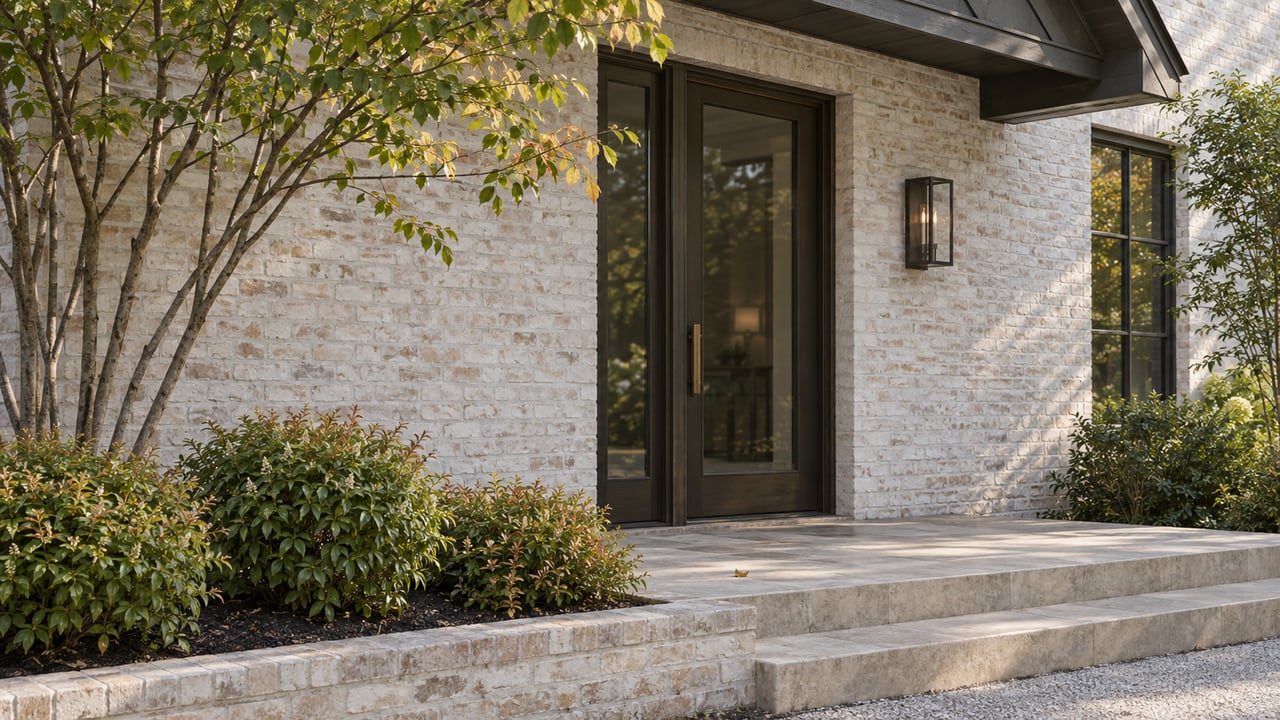
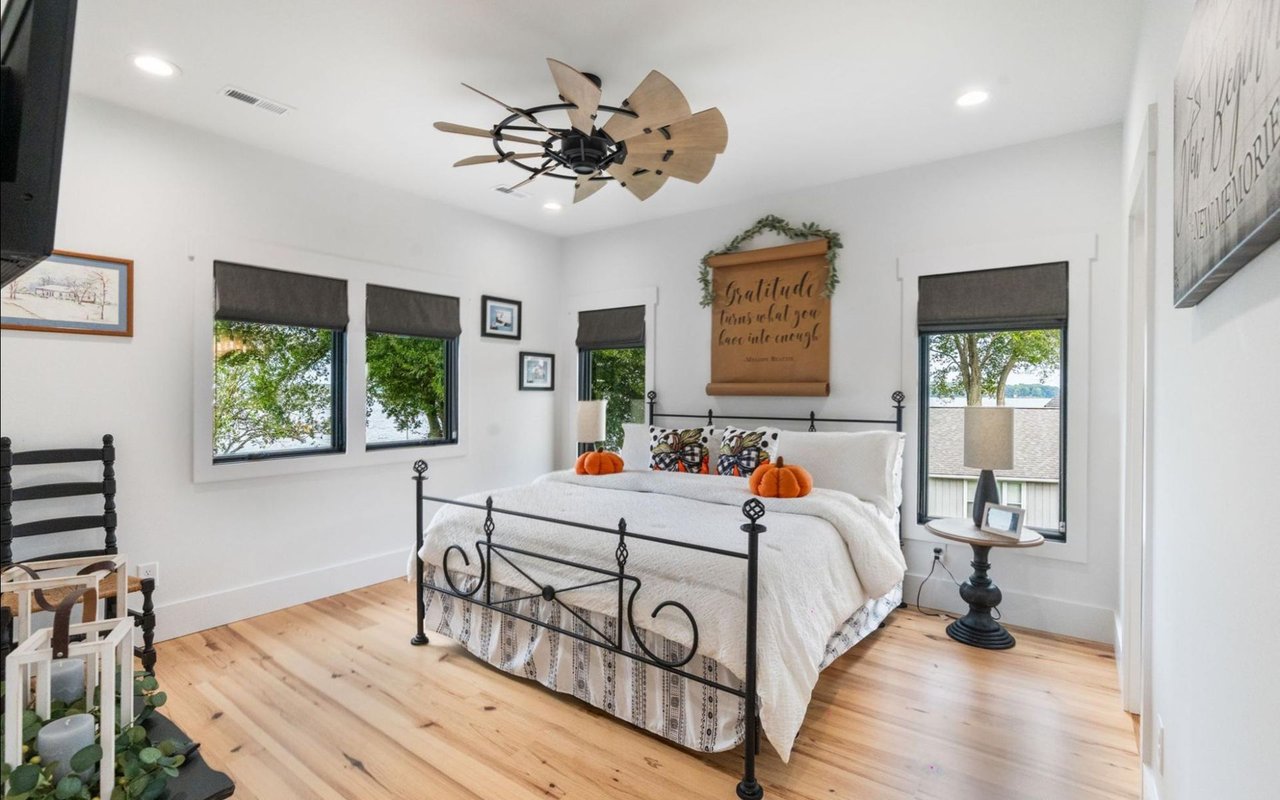
Seasonal Decor Transition Tips for Lake Norman Homes.
Nicole prides herself on being prompt and efficient, keeping her customers informed during every step of the journey, and resolving problems quickly. Her customers often become her friends, and she treats everyone like family. Contact Nicole now!