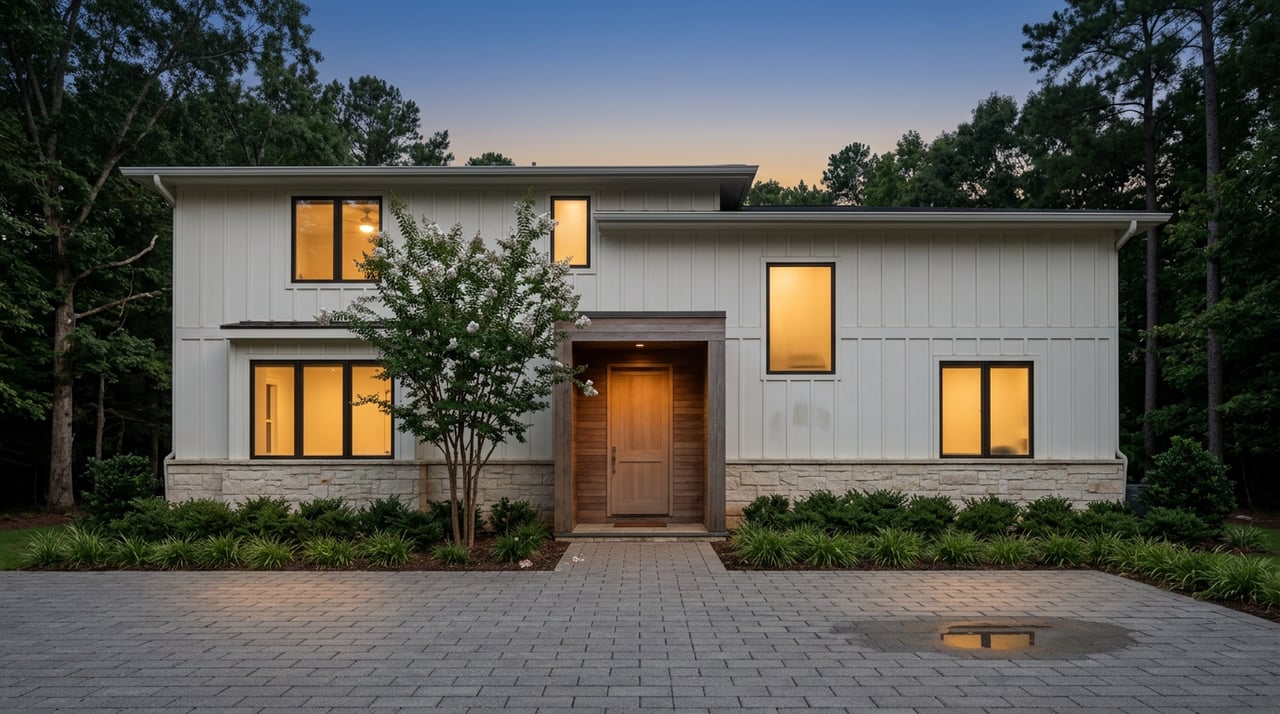
The closet is one of the most personal rooms in a home, and in a luxury property, it has the potential to be one of the most refined. When thoughtfully designed, a luxury closet transcends storage; it becomes a curated space in which your wardrobe is displayed like an extension of your personal aesthetic. Yet even the most beautifully built closet can feel chaotic without intentional organization behind it.
Whether you are moving into a new home on
Lake Norman, renovating an existing space, or simply reassessing how your wardrobe is arranged, understanding the principles of closet design is what separates a standard closet from one that actually functions at a high level. The goal is not merely tidiness. It is the kind of effortless, visual harmony that makes getting ready each morning feel deliberate and enjoyable.
This guide will walk you through the foundational elements of a truly organized luxury closet: zoning, lighting, and display. When these three elements work together, the result is a space that feels as impressive to walk into as it is practical to use every day.
Key Takeaways
- Dividing your closet into dedicated zones by category transforms how you navigate your wardrobe daily.
- Layered lighting, from task lighting to accent fixtures, elevates a closet from functional to genuinely beautiful.
- Treating accessories, shoes, and statement pieces as display objects adds a boutique quality to the entire space.
- Material choices and finish consistency are what give luxury walk-in closet ideas their polished, cohesive look.
The Foundation: Zoning Your Closet by Category
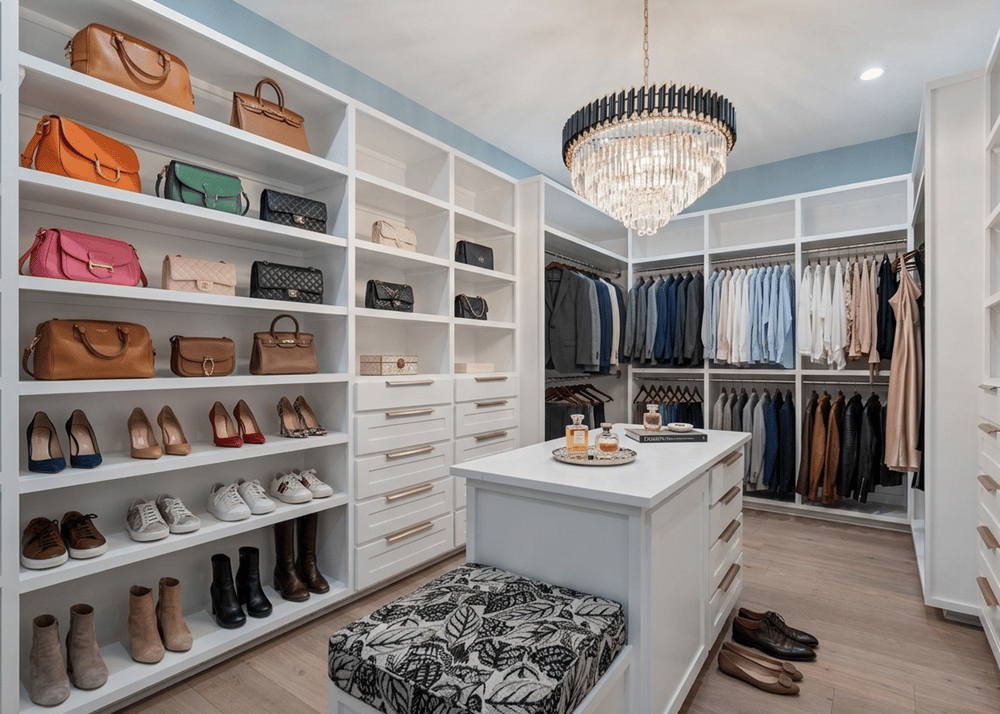
The single most transformative step in closet design is building a clear zoning system. Zoning means assigning specific areas of your closet to certain categories of clothing and accessories so that every item has a logical home and retrieval becomes intuitive. In high-end closets, this is not a casual afterthought; it is the architectural logic that shapes the entire layout.
A well-zoned closet begins with an honest inventory of what you own. Long hanging space, short hanging space, folded items, shoes, bags, and accessories each require different configurations. Before organizing items, identify how much of your wardrobe falls into each category. This prevents the common mistake of designing a visually stunning closet that runs out of hanging rod for blazers or has nowhere logical to store your collection of handbags.
Zoning also allows you to create a natural flow through the space. Many designers recommend organizing zones in the order you dress: base layers near the entrance, then outerwear and formalwear toward the back or a secondary wall. This flow reduces decision fatigue and keeps the most-reached-for items most accessible.
How to Build Your Closet Zones
- Designate a long-hang zone for dresses, coats, and gowns, ideally on a full-height section of wall with rods positioned at least 60 to 72 inches from the floor.
- Create a double-hang zone for tops, jackets, and folded trousers, maximizing vertical storage in areas where height would otherwise go unused.
- Reserve a dedicated shelf and drawer zone for folded knitwear, denim, and athleisure items that do not hang well without losing their shape.
- Build a display and storage zone specifically for shoes and bags, treated as a visual focal point rather than an afterthought.
- Add a jewelry and accessories zone with shallow drawers, velvet trays, or wall-mounted display options near natural light or a vanity mirror.
Lighting: Layering for Ambiance and Function
Lighting is arguably the most underestimated element of luxury closet design, and it is often the detail that most visibly separates a high-end closet from a standard one. A closet that is poorly lit will feel cramped and frustrating, regardless of how carefully it is organized. Layered lighting solves both the aesthetic and the functional problem at once.
The first layer is ambient lighting, which provides overall illumination for the room. Recessed ceiling lights or a central flush-mount fixture ensure that the entire closet is evenly lit. In larger walk-in spaces, this layer alone is not sufficient, but it forms the foundation that everything else builds upon.
The second layer is task lighting, positioned directly within zones where detail matters most. Under-shelf LED strips installed along hanging rod sections cast light downward onto clothing, making colors accurate and fabric textures visible. This is especially important in deeper closets where natural light does not reach. Jewelry drawers benefit enormously from small inset lights that illuminate the contents when the drawer is open, a detail borrowed directly from high-end retail design.
Luxury Closet Lighting Ideas Worth Considering
- Install LED strip lighting beneath each shelf tier to eliminate shadows and make color matching effortless.
- Use recessed puck lights above open shoe shelving to create a display effect that highlights each pair individually.
- Add a backlit mirror or illuminated vanity station to serve as both a functional grooming area and an ambient light source.
- Consider dimmer switches on all circuits, allowing you to shift from bright task lighting in the morning to softer ambient light in the evening.
- Use warm white bulbs in the 2700K to 3000K range to render fabric colors accurately and create a boutique atmosphere.
Display: Treating Your Wardrobe as a Collection
One of the defining characteristics of a truly luxurious closet is the approach to display. Rather than hiding everything behind closed doors, a well-organized luxury closet treats its contents the way a retail boutique or museum might: with intention, curation, and visual hierarchy. This philosophy transforms the space from storage into something that communicates personal style.
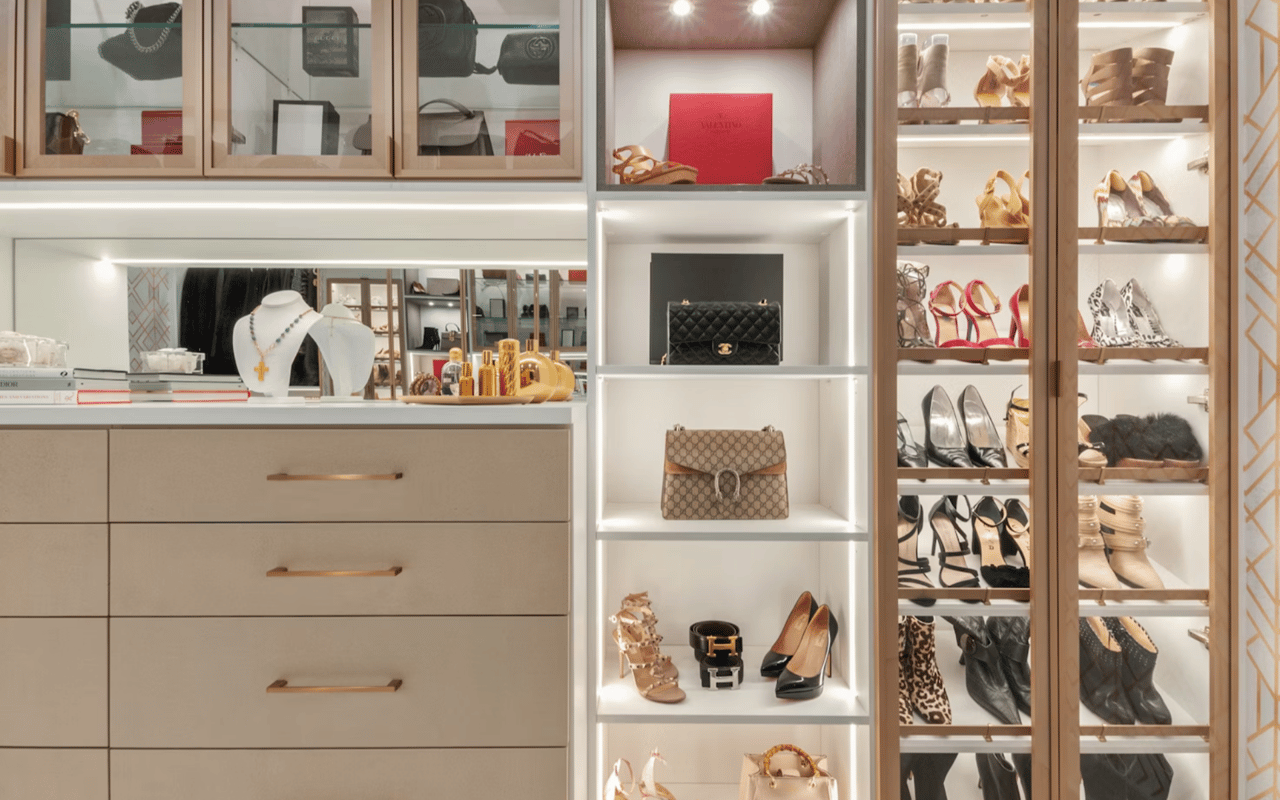
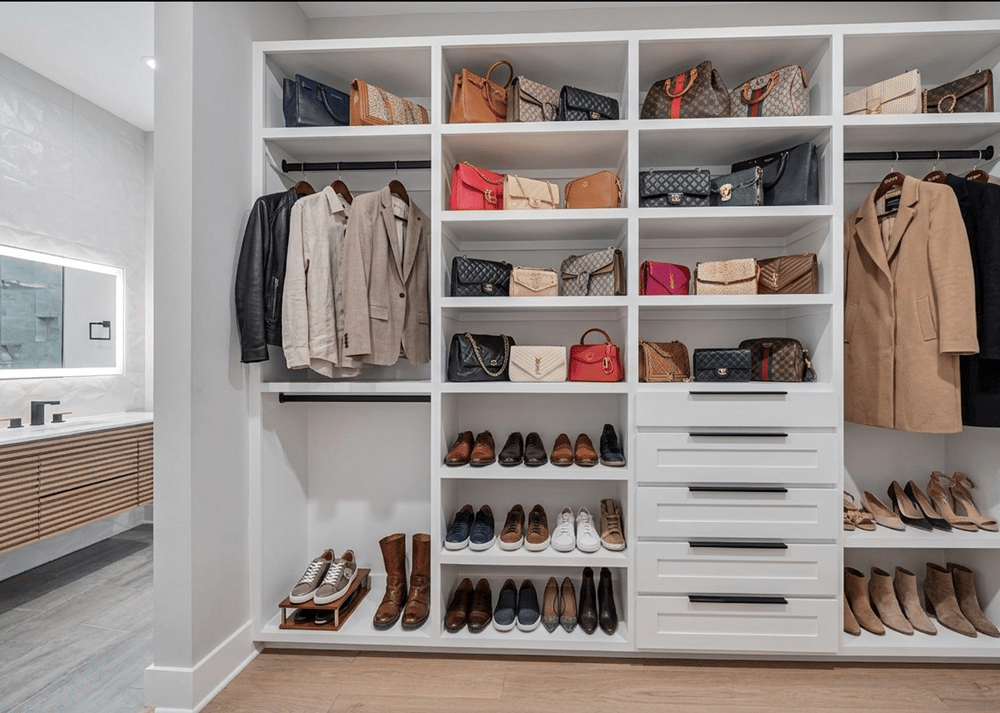
Shoes are among the most display-worthy items in a wardrobe and respond beautifully to open shelving. Angled shoe shelves allow each pair to be seen in full, rather than toe-in configurations that conceal the silhouette. Limiting each shelf to a single row of shoes, rather than stacking, maintains the boutique quality and makes selection effortless. For a more dramatic effect, some closet designers use glass-front cabinetry for shoes and handbags, which keeps items dust-free while keeping them visible.
Handbags deserve their own dedicated zone and often become the most visually striking feature of a luxury closet. Setting up open cubbies or deep shelving with adequate spacing between each bag allows the pieces to be appreciated individually. Purse hooks, shelf dividers, and acrylic risers are all tools that keep bags upright and maintain their shape while creating a display that feels intentional.
What to Display vs. What to Store
- Display shoes in open, angled shelving where the full silhouette of each pair is visible.
- Display statement handbags on dedicated shelving or in glass-front cabinetry with individual spacing between each piece.
- Display fine jewelry in shallow, velvet-lined drawers or on wall-mounted acrylic risers near the vanity zone.
- Store out-of-season clothing in labeled, breathable canvas bins on upper shelves to keep the main zones uncluttered.
- Store athletic and casual wear in closed drawers or baskets to maintain the elevated visual register of the primary display areas.
Materials, Finishes, and the Details That Elevate the Space
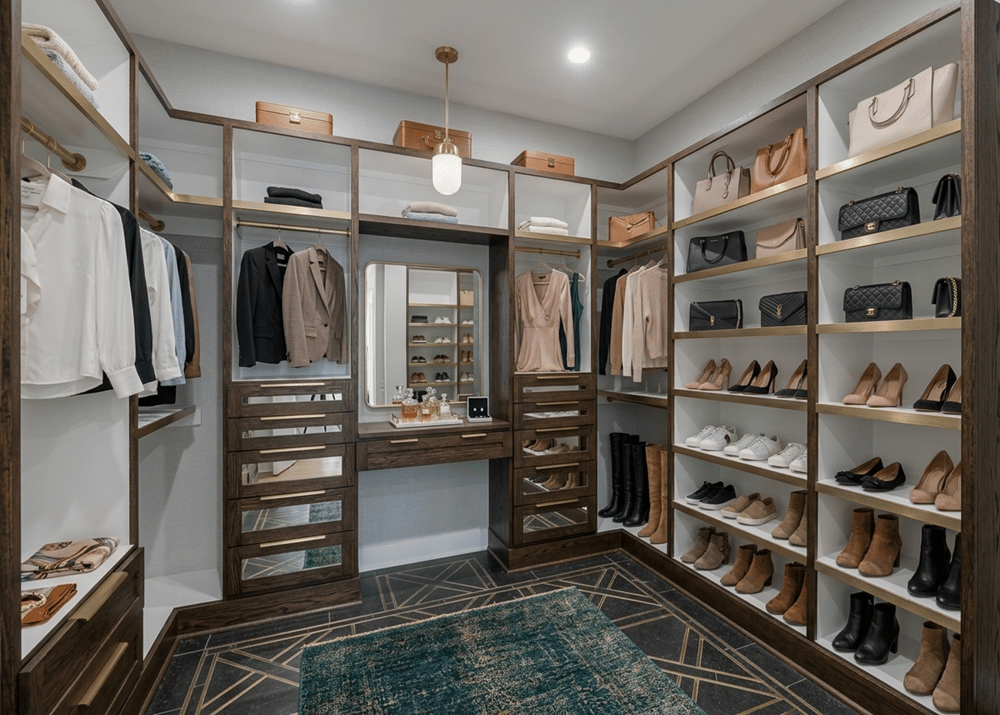
The organization of a luxury closet extends beyond placement and lighting into the physical materials that make up the space itself. Finish consistency is a hallmark of high-end closet design: when all hardware, rod finishes, shelf edges, and drawer pulls share the same metal tone, whether brushed brass, matte black, or polished nickel, the space reads as cohesive and deliberately designed.
Wood finishes matter. Painted cabinetry in soft neutrals or deep tones tends to feel more refined than raw wood veneers, though both can work well when paired with complementary hardware. Open shelving in lacquered white creates a bright, gallery-like effect. Walnut or dark-stained oak brings warmth and a sense of permanence. The choice should reflect the broader design language of the home rather than exist in isolation.
Flooring is often overlooked in closet renovations, but it signals the quality of the space. Hardwood that flows continuously from the adjoining bedroom, or a distinct statement tile, both communicate intentionality. Adding a small area rug beneath a center island or seating bench introduces texture and a sense of the space being considered as a room, not a pass-through.
Finish and Material Details Worth Specifying
- Match all rod, hook, and pull hardware to a single metal finish throughout the closet for a cohesive, designed look.
- Use lacquered or painted cabinetry rather than unfinished wood on visible surfaces for a cleaner, more polished result.
- Consider glass inserts on upper cabinetry doors to add depth and allow a curated display without full open shelving.
- Extend flooring from the adjoining room into the closet, or add a complementary statement floor material to define the space.
- Add a center island with drawer storage if square footage allows; it anchors the room and adds a jewelry-store quality to the design.
FAQs
What Is the Best Way to Start Organizing a Luxury Closet?
Start with a complete edit of your wardrobe before organizing. Remove anything you no longer wear, then categorize what remains by type: hanging, folded, shoes, bags, and accessories. From there, map your closet zones based on volume in each category.
How Do I Make a Compact Walk-In Closet Feel More Luxurious?
Lighting and finish quality do the most work in smaller spaces. Adding under-shelf LED strips, upgrading hardware to a consistent metal finish, and replacing wire shelving with painted wood cabinetry will elevate the look. Mirrors on a back wall or door panel expand the sense of space visually, and keeping only curated, in-season items in the main zone prevents the space from feeling overcrowded.
What Lighting Is Best for a Luxury Closet?
Layered lighting is the standard in high-end closet design. Recessed ceiling lights provide ambient coverage, LED strips under shelves and along rods provide task lighting where you need it most, and accent lights above shoe displays or inside jewelry drawers add a boutique finishing touch. Warm white bulbs in the 2700K to 3000K range render fabric colors most accurately.
How Should I Store Handbags in a Luxury Closet?
Open shelving with adequate spacing between each bag is the most display-forward approach. Keeping bags upright with shelf dividers or acrylic purse shapers maintains their structure and makes selection easy. Glass-front cabinetry is a great alternative if dust protection is a priority.
Your Home Deserves a Closet That Reflects It
A luxury closet, when done well, is one of those spaces that improves daily life in ways that are easy to take for granted. The right zones make getting ready feel effortless. The right lighting makes your wardrobe look its best. The right display approach turns a room you walk through into one you actually want to spend time in.
If you are searching for a
Lake Norman home where spaces like this are already built in, or if you are preparing your current home to reflect the standard of living you have worked toward, the details of the interior matter as much as the square footage. A closet that feels curated and considered signals that the rest of the home will, too.
I would love to help you
find the Lake Norman property of your dreams. Reach out to me,
Nicole Leininger, and let's find the space that fits your life.