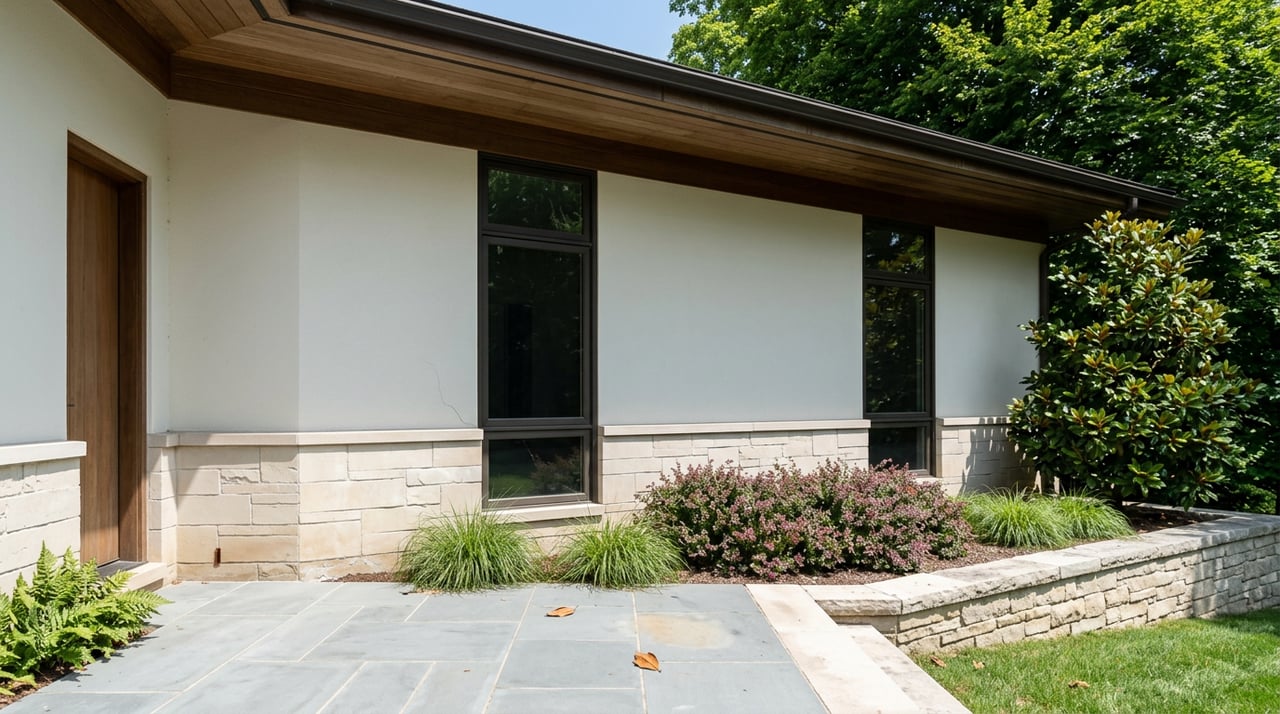
What This Summer's Low Water Is Quietly Telling Lake Norman Waterfront Buyers
August 6, 2026
August 6, 2026
Most waterfront showings on Lake Norman happen at target pond. Docks float where they should, ramp aprons stay submerged, and the cove beyond the seawall reads as generously deep. Buyers tour, fall for a view, and only meet the property's low-water self months later, in January, when Duke Energy pulls the lake down for repairs.
Summer 2026 is different. The lake sat at roughly 96.02 feet in late July, close to four feet below the 100-foot full-pond reference, and it has been well under target since spring. For a buyer touring right now, that is not a nuisance. It is a rare diagnostic window. The property you tour in August is, functionally, the property you would inspect during a winter drawdown, and it is on the market during the softest inventory conditions the lake has seen in several cycles.
The current water level at Lake Norman is 96.02 ft, and based on the latest gauge reading, Lake Norman is currently 3.98 ft below full pool. This is not a passing dip. Lake data from Duke Energy shows over the last five years, the lake averaged around 98 feet in May. As of Monday, Lake Norman stood at 94 feet at the low point this spring, and Duke Energy has issued a Stage 1 drought advisory for the Catawba-Wateree River Basin.
The reason this matters for a purchase decision, not just a weekend on the water, is that Duke's target operating band lives between 95 and 98 feet in a normal year. A property that shows well at 96 feet has already survived the test most buyers never get to run. A property that struggles at 96 feet will struggle again the next time the basin runs dry, and drought years cluster.
The listing photo shows the view. The showing at 96 feet shows the dock. Those are two different assets, and only one of them is permitted, transferable, and specific to the parcel you are buying.
Three things are worth walking to the end of the dock to check while the lake is low:
For buyers looking at neighborhoods that share water access through an HOA rather than a private dock, the story of summer 2026 is written on the closed ramps.
Park rangers have closed several boat ramps because of low water levels, including four at Blythe Landing in northern Mecklenburg County. Blythe Landing was the only boat ramp with multiple closed ramps due to water levels on that side of the lake. Other boat ramps, such as Ramsey and Hager Creek, were fully open. And at Ramsey Creek Park, the beach did not open for the 2026 season due to drought-driven low water levels. Ramsey Creek Beach has been closed for the entire season because the water is too low. Duke Energy says Lake Norman is running about 5 feet below its normal full pond level following months of drought in the area.
The mechanism that closed those public ramps closes community ramps too. Public and community boat ramps are often the first casualty of a dropping lake. Concrete ramps are poured to a fixed slope that assumes water near target pond, so when Lake Norman or Lake Wylie falls three to four feet, the end of the ramp can sit completely out of the water. Trailers run off the end of the pad onto soft, slick bottom, tires lose traction, and deeper-draft boats may scrape before they ever float free.
If you are comparing communities with shared water access, ask the HOA one specific question before diligence closes: has the community ramp been usable every month of 2026? Neighborhoods like Northview Harbour, Sailview, and Harbour at The Pointe each handle water access differently, and communities built around private marina relationships, such as The Peninsula Club with Peninsula Yacht Club or Morningstar Crown Harbor's adjacent commercial slips, insulate residents from ramp closures in a way a shared-ramp neighborhood does not.
Low water also exposes what the permit does and does not say. Duke owns the shoreline structure question. Duke Energy manages Lake Norman's shoreline through the Catawba-Wataree Shoreline Management Program. The goal is to protect reservoir operations, navigation, and environmental resources while allowing compatible private use. If a structure touches the water or sits at or below the full pond elevation, it usually needs Duke's approval.
Two things buyers regularly discover during a drought showing that they would not have discovered at target pond:
The dock is permitted, but it is grandfathered. Existing dock status matters. Older docks may be permitted but non-conforming, limiting changes. Changes to a dock often trigger additional review. If the current footprint only works at low water because of a modification that predates today's rules, expanding, covering, or replacing that dock later is a very different conversation than the listing suggests.
Layer the HOA on top. Homeowners' associations and deed covenants can be stricter than Duke on design, materials, colors, boathouses, and location. Treat these as parallel tracks. Duke approval is essential, but it is rarely the only sign-off you will need. A buyer planning to add a covered slip after closing needs both approvals lined up before removing the diligence contingency, not after.
| Access type | What summer 2026 reveals | Question to ask before diligence ends |
|---|---|---|
| Private deeded dock | Actual slip depth, floating-dock loading, lift usability at 96 ft | Is the dock's Duke permit conforming or grandfathered, and does it transfer as-is? |
| HOA-assigned community slip | Whether the community ramp and slip corridor stay usable through drought | Are there active waitlists, and how has assignment held through the current season? |
| Deeded slip inside a private marina | Fuel dock and haul-out access during low water | What are the marina's minimum depth commitments and dredging history? |
| Lake-access without a slip | How the community ramp performs when Blythe Landing loses two-thirds of its ramps | Has the ramp closed at any point in 2026, and what is the drought protocol? |
Drought conditions and softer inventory rarely arrive together on Lake Norman. Historically, when the water is low, the buyers who remain are the most committed and the most informed. This summer is quieter than that. Mac Byrum, a Lake Norman Marine commissioner and fishing guide, said the drop would closely resemble what Duke does every few years when it drops the lake to around 8 feet below full pond in the winter to do repairs. "Really, you're only talking about 1 foot more (than what Duke occasionally does)," Byrum said. Buyers touring today are effectively conducting winter due diligence during the peak listing season, with more listings to choose from and more time to compare.
The historical context matters here. According to a direct inquiry with Duke Energy Hydro Operations, the lowest recorded Lake Norman level was 93.1 feet in 2007, measured against the 100-foot full-pond reference. This level is considered historically abnormal and falls outside the typical seasonal operating ranges used for normal waterfront ownership, dock planning, and shoreline usability. For buyers, the practical takeaway is that waterfront decisions should be based on normal low-season target levels, not rare historical anomalies, and evaluated property by property, especially in shallow coves. Ninety-six feet is not the extreme. It is closer to the honest baseline, which is exactly why touring at 96 is more useful than touring at 99.
Should I wait for the lake to recover before buying? Waiting means touring at target pond, which hides the same details you can see now. The listings on the market this season are the ones being shown at low water, which favors the buyer who can interpret what they are seeing.
Is a floating dock riskier than a fixed dock in drought years? They fail differently. Floating docks can rack when loaded unevenly against the bottom. Fixed docks and lifts fail the usability test earlier because their geometry is fixed to a pond level. Both are answerable with a marine inspection, not a walk-through.
What is the fastest way to verify a specific slip right now? Two calls: the HOA or marina for permit and assignment history, and a marine contractor for a depth reading at the slip at today's gauge level. Cross-check that against the Duke Lake View app before you write the offer.
Waterfront ownership on Lake Norman is a long relationship with a managed reservoir, not a beachfront purchase. The properties that hold their value across cycles are the ones that work at 96 feet as well as they work at 99. This summer is offering an unusually honest look at which is which. If you would like a second set of eyes on a specific listing before your inspection period closes, Nicole Leininger is glad to walk the dock with you. Let's Connect.

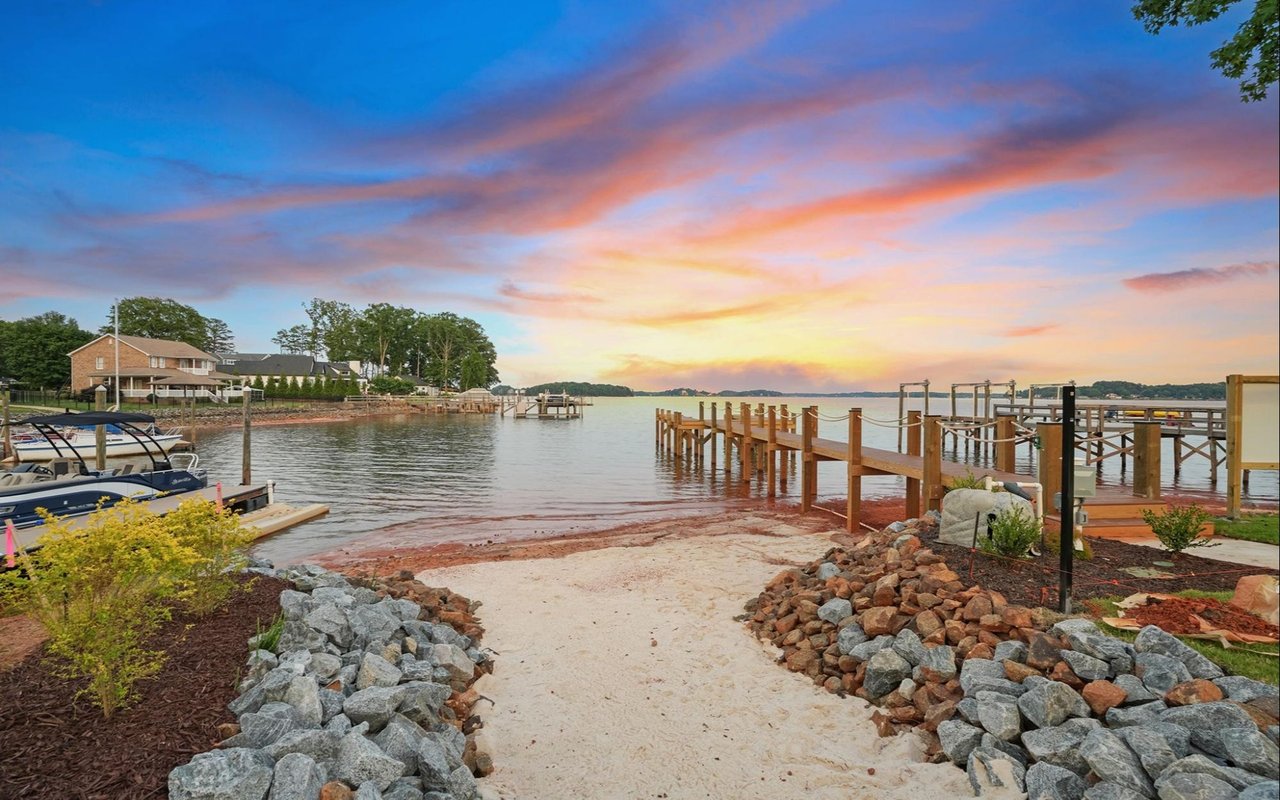
A Look at What's Defining Lake Norman's Million-Dollar Market.

The Technology Systems Shaping Lake Norman's Luxury Homes.
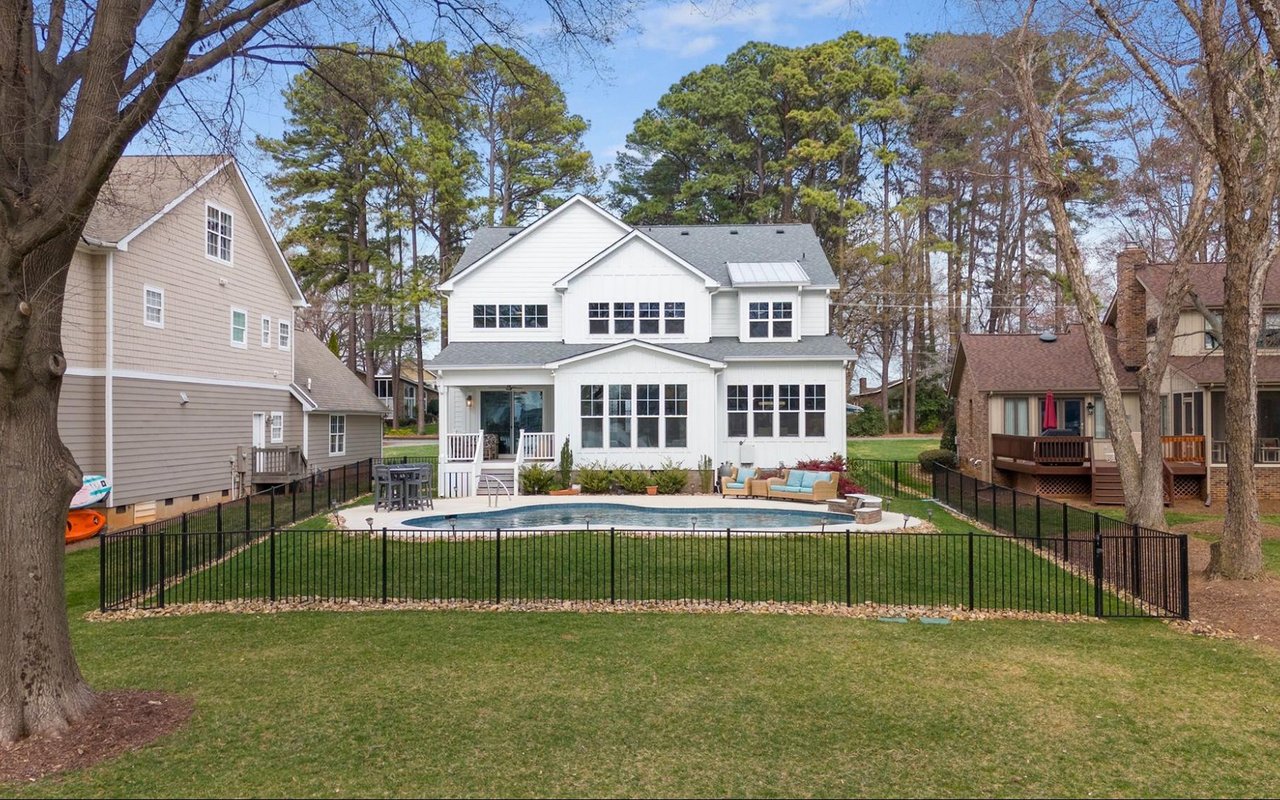
What's Driving Lake Norman's Second-Home Buyer Market in 2026.
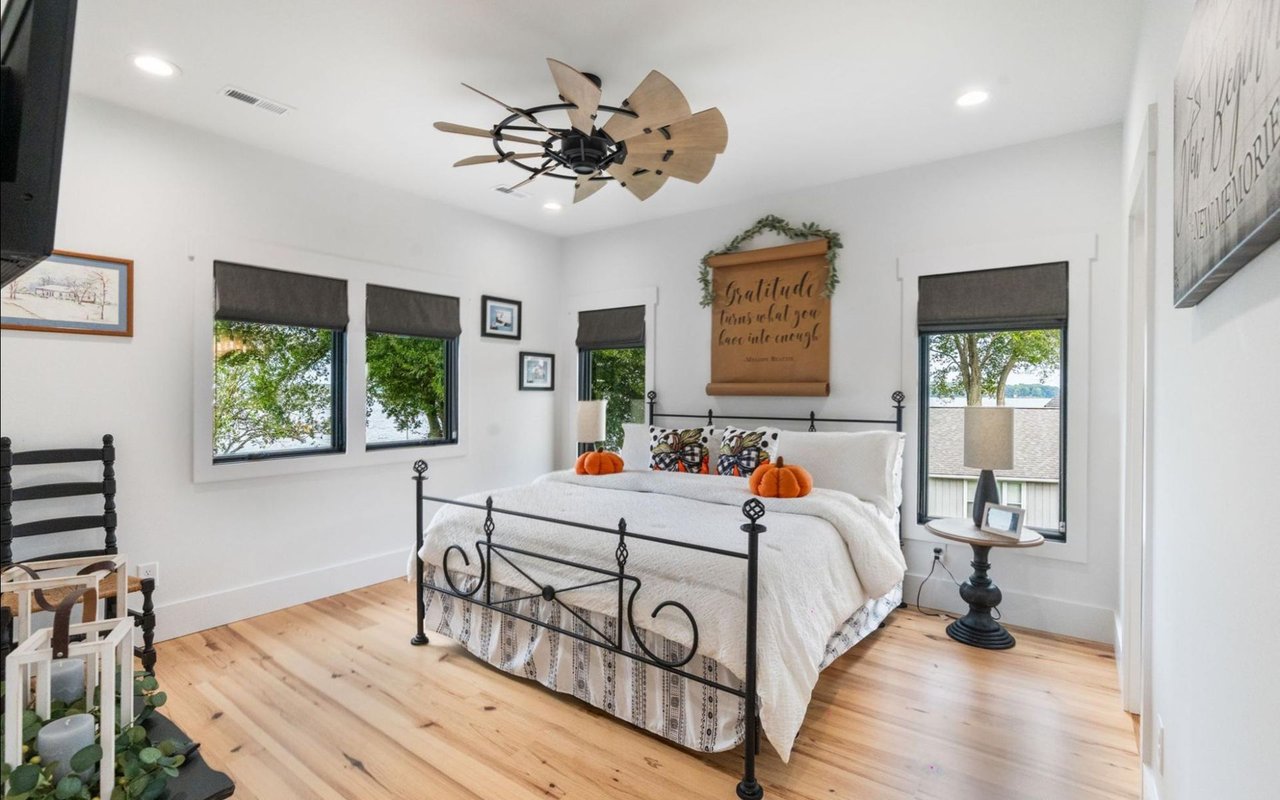
Seasonal Decor Transition Tips for Lake Norman Homes.
Nicole prides herself on being prompt and efficient, keeping her customers informed during every step of the journey, and resolving problems quickly. Her customers often become her friends, and she treats everyone like family. Contact Nicole now!