
The Number That Actually Wins a Lake Norman Offer This Year
August 13, 2026
August 13, 2026
Two buyers want the same house on a quiet cove outside Cornelius. Same price. Same closing date. Same lender pre-approval letter. The seller picks one offer over the other in about ten minutes, and it has nothing to do with financing strength or a handwritten letter about how much they love the dock. It comes down to a single line item most out-of-state buyers barely notice when they sign: the due diligence fee.
If you've bought a home anywhere else in the country, your instinct says the earnest money deposit is the serious money. In North Carolina, that instinct is backwards, and understanding why is the difference between writing a competitive offer on Lake Norman and writing one that quietly loses to a buyer who understood the mechanics first.
North Carolina is the only state in the country that builds a due diligence fee into its standard residential contract. Everywhere else, buyers rely on inspection and financing contingencies tied to a refundable deposit. Here, the structure is split into two separate payments that behave in opposite ways.
The due diligence fee goes straight to the seller's own account at the moment the contract is signed. It is not held in escrow, and it does not come back if you walk away, for any reason, at any point during your due diligence window. The earnest money deposit, by contrast, sits in an attorney's escrow account and is refundable if you terminate before that same window closes.
That split means the seller's real protection is the fee, not the deposit. A seller with an accepted offer can cash that check the same week and keep it even if you cancel the next day because a home inspection turns up something you don't like. That's not a technicality. It's the entire reason the fee has become the number sellers actually watch in a competitive situation, sometimes more closely than the sale price itself.
This structure isn't an accident of drafting. North Carolina adopted the due diligence framework in 2011, replacing an older contract that let buyers tie up a seller's home for weeks under vague inspection and financing contingencies, only to walk away later with their earnest money fully intact. The fee-based system exists specifically to compensate sellers for the risk of taking a home off the market while a buyer investigates it.
Once your due diligence period ends, the stakes change again. If you haven't closed and you don't have a specific contractual right to terminate, such as a title defect or the seller's own breach, you forfeit both the fee and the earnest money. The clock in North Carolina does not bend the way it does in states that use open-ended contingencies. It simply ends.
There's no statutory formula for the amount. It's negotiated on every contract, and the number moves with the property and the competition. Based on what's changing hands around the lake this year, the tiers look roughly like this:
| Price Tier | Typical Due Diligence Fee | Typical Window |
|---|---|---|
| Entry-level, low competition | $500 to $2,000 | 7 to 14 days |
| Mid-range ($400K to $700K) | $2,000 to $7,000 | 10 to 21 days |
| Waterfront or luxury ($800K+) | Several thousand dollars, sometimes near 1% of price | 14 to 30 days |
The pattern that matters isn't just the dollar amount. It's the inverse relationship between competition and window length. In a hot moment on a well-priced Cornelius waterfront listing, you'll often see buyers pair a shorter period, sometimes a week or less, with a noticeably higher fee. In a slower stretch, buyers can negotiate a longer window with a more modest number attached. The lake doesn't move as one market on this question. It moves cove by cove, season by season.
Canopy MLS-tracked closings across the four-county Lake Norman corridor through June 2026 show roughly 4.6 months of supply, a median sale price near $669,562, and homes moving in about 97 days on average with a 95.00% sale-to-list ratio. That's a market with real room to negotiate, a meaningful shift from the scarcity years when buyers had almost no leverage on terms.
Waterfront tells a slightly different story. Canopy MLS-verified single-family waterfront closings in May 2026 carried a median price of $1,653,982, and the sale-to-list ratio on those closings tightened to 96.56%, up from 94.2% in April, as the market moved into the season when buyers shop with docks and shorelines in mind. Turnkey waterfront with deep water and a clean, transferable dock permit is still moving with real urgency even while the broader lake has loosened.
That contrast is exactly why a flat rule about due diligence fees doesn't work here. A four-county average of 4.6 months of supply hides real differences between a turnkey Cornelius waterfront listing still tightening toward summer and a resale further out toward Denver sitting at the regional average or looser. A buyer using the same fee strategy on both is solving the wrong problem for the wrong sub-market.
NC REALTORS released its summary of 2026 changes to the standard residential forms in late May, and one edit matters more than it sounds. The due diligence fee is still due on the effective date of the contract, but the revised language clarifies that missing that same-day wire no longer puts a buyer in automatic breach. Buyers now have until the end of the next banking day following the effective date to get the fee delivered before breach applies.
It's a small procedural fix, but it closes a real gap. Before this change, a wire that missed a bank's cutoff by an hour on a Friday afternoon could technically put a buyer in default over a weekend. If you're under contract on a Lake Norman home right now, ask your agent whether your specific contract reflects this update, since older templates still in circulation may not.
Waterfront due diligence periods run longer than inland ones for a reason that has nothing to do with the house itself. Dock permits on Lake Norman fall under Duke Energy's Lake Services program, and verifying that a permit is current and properly transferable takes time that a straightforward inland inspection doesn't require. Gated or HOA-governed communities around Denver and Mooresville add another layer, since architectural guidelines, reserve studies, and any club or amenity contracts need review before your window closes.
None of that changes what the fee itself does. It changes how much time you should ask for alongside it. A buyer who shows up with an aggressive fee and an unrealistically short period on a home with a private dock is setting up their own inspector to fail on the clock.
Treat the fee and the period as two separate levers, not one decision. A stronger fee signals seriousness to the seller immediately, in cash they can bank regardless of outcome. A realistic period protects you enough to actually use that seriousness wisely, especially if a marine inspector, surveyor, or HOA document review needs to happen before you can make a final call.
Book every specialist the day your offer is accepted. On a waterfront property, that means your general inspector, a dock or marine inspector if warranted, and a request for the seller's Duke Energy permit documentation, all in motion within the first 48 hours. Waiting even a few days to schedule inspections on a 14-day window is how buyers end up making decisions on incomplete information.
What happens if the seller breaches after I've paid my due diligence fee? If the seller fails to deliver marketable title or otherwise breaches the contract, a buyer may be entitled to a refund of both the due diligence fee and the earnest money deposit, along with reasonable costs tied to the investigation. This is uncommon, but it's why buyers with substantial fees at stake should have a real estate attorney review the contract early rather than after a problem surfaces.
Does the due diligence period apply to new construction? Generally, there is no traditional due diligence period on new construction contracts, since the standard resale form and its inspection window are built around existing homes. Earnest money still applies on new builds even without that period, so the two payments don't disappear, they just work differently.
Can I negotiate a longer due diligence period after the contract is signed? Yes, through a mutually signed amendment, though it usually requires the seller's agreement and may come with an additional fee to compensate for the extra time. If you suspect you'll need more time before you even write the offer, it's worth negotiating a realistic window up front rather than asking for an extension later from a weaker position.
If you're weighing an offer on Lake Norman right now, waterfront or not, the fee and the window are decisions worth making with someone who watches this specific market every week, not a general template pulled from a national guide. Nicole Leininger works these numbers on Lake Norman contracts across Cornelius, Mooresville, Davidson, Huntersville, and Denver every season. Let's connect before you write the offer, not after.
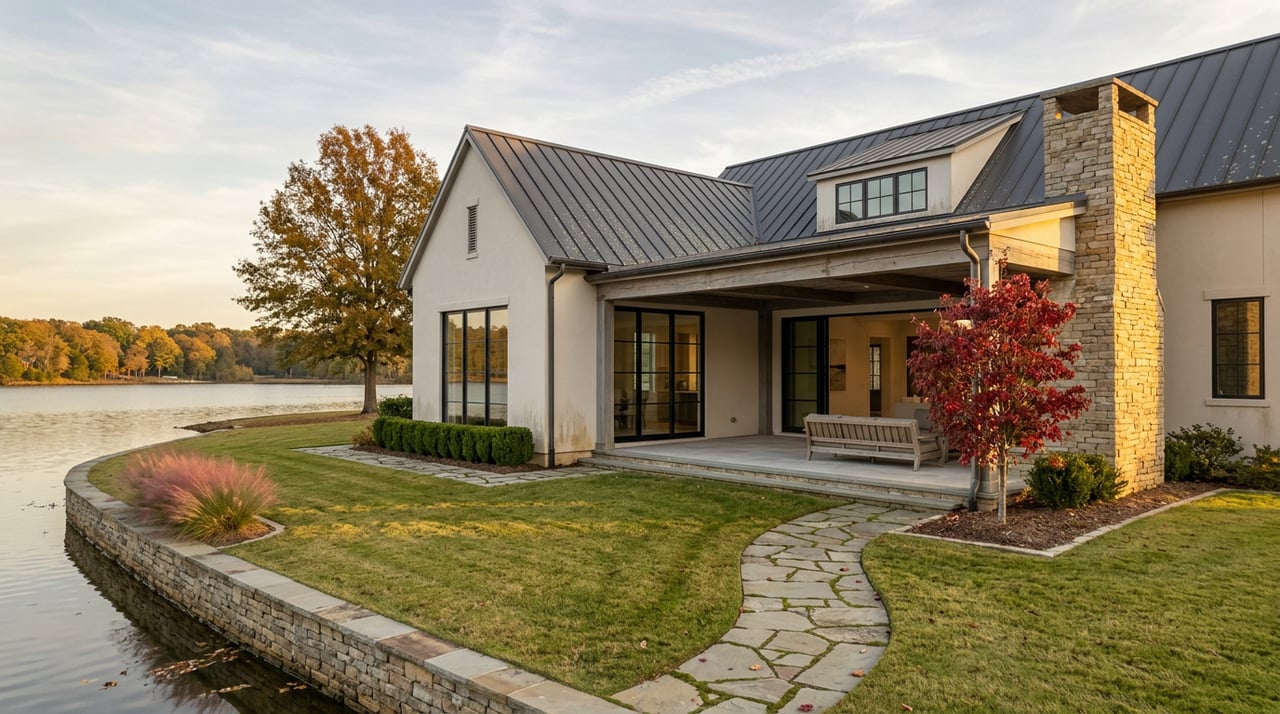
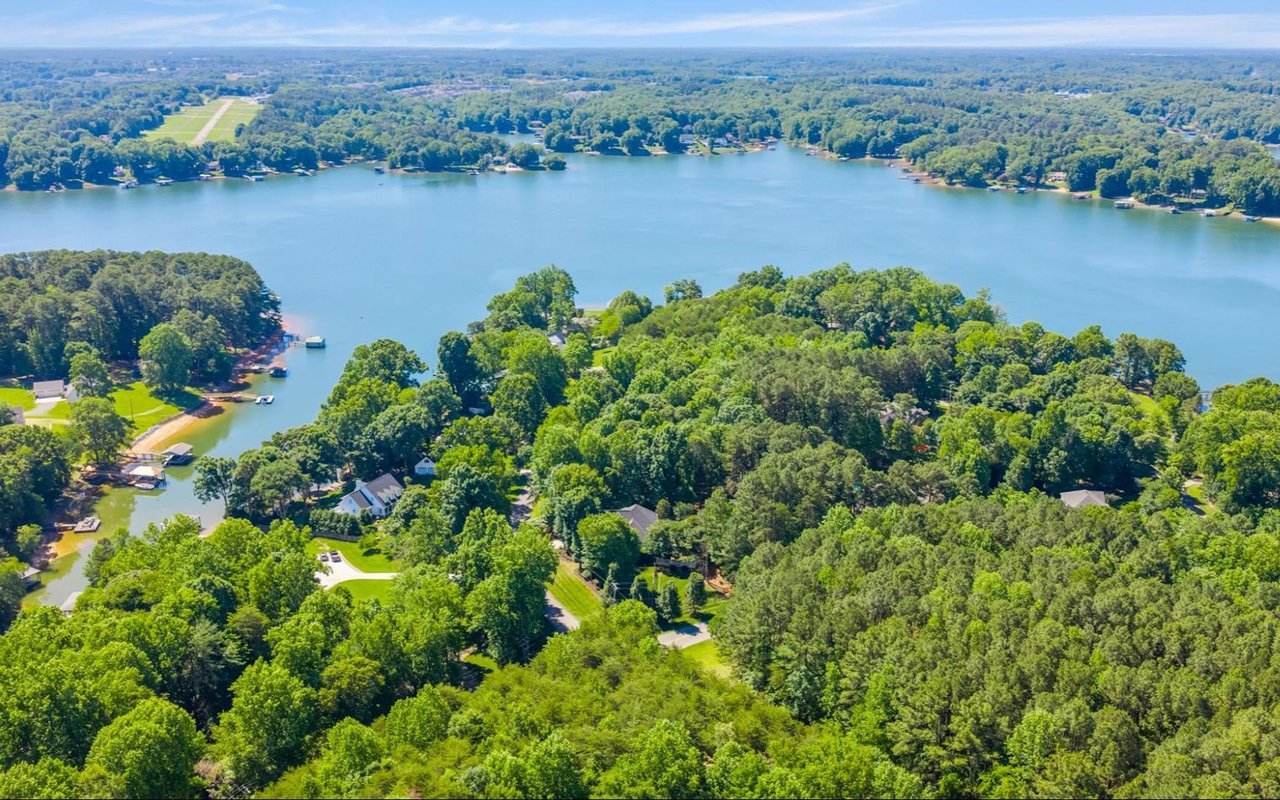
Avoiding the 2026 Home Seller Mistakes Costing Lake Norman Owners.

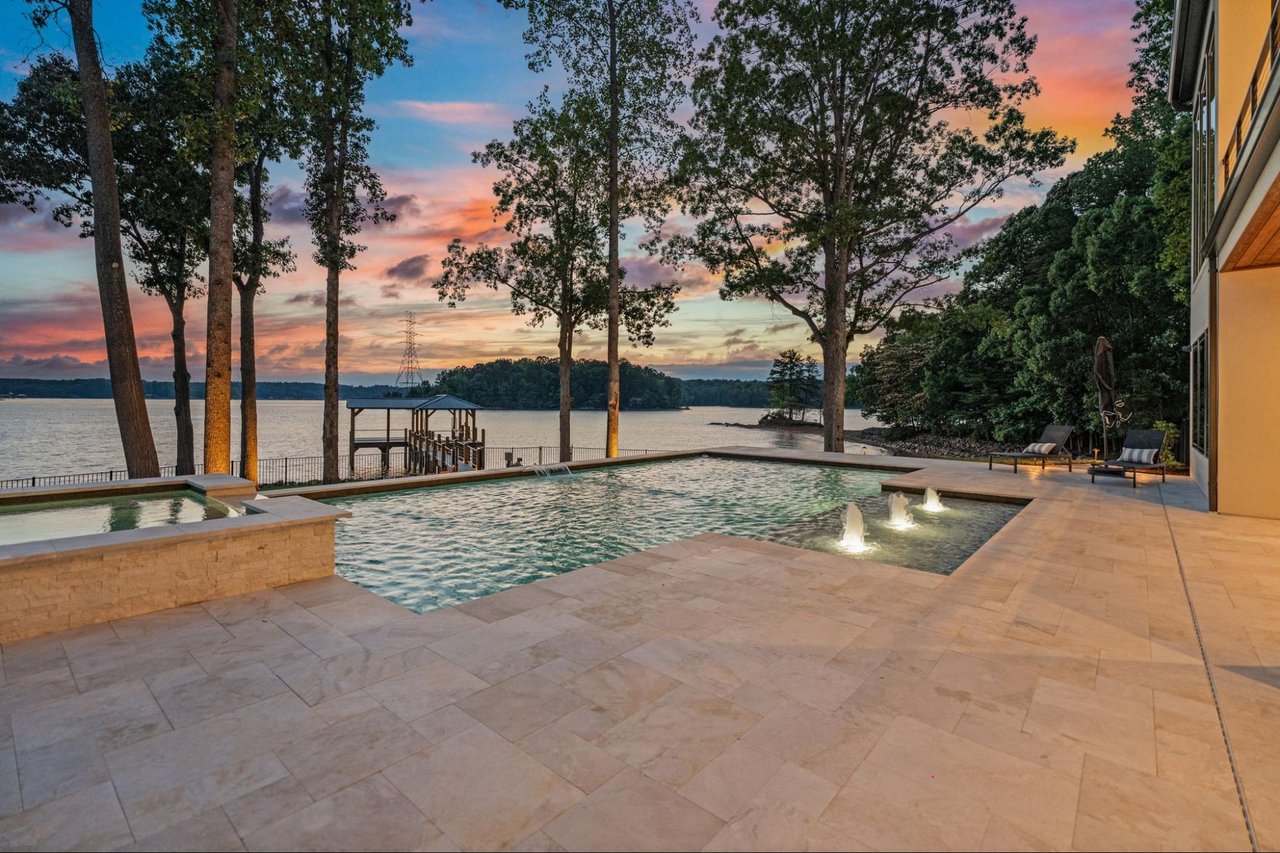
How Locals Actually Spend a Weekend Living the Lake Norman Lifestyle.

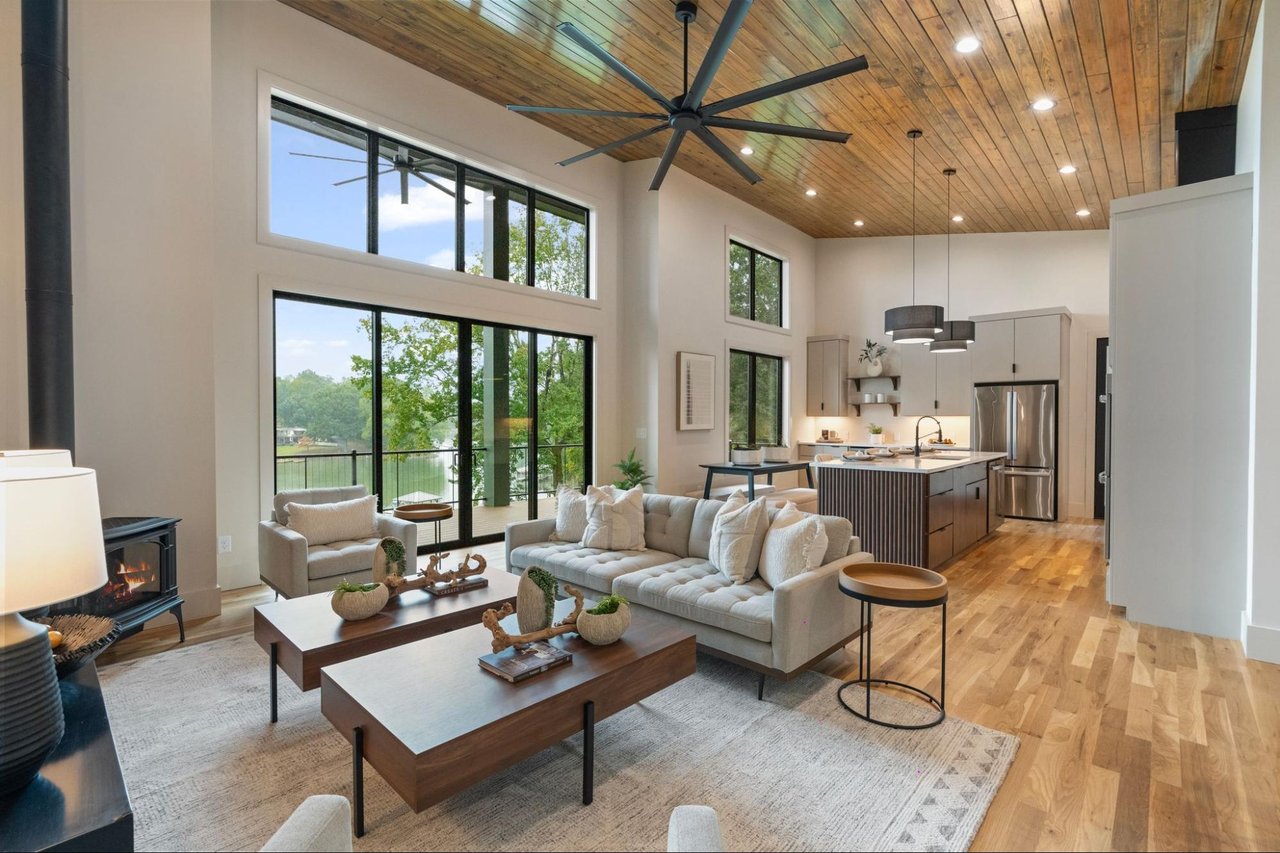
A Lake Norman Guide to Layered Lighting That Transforms Every Room.
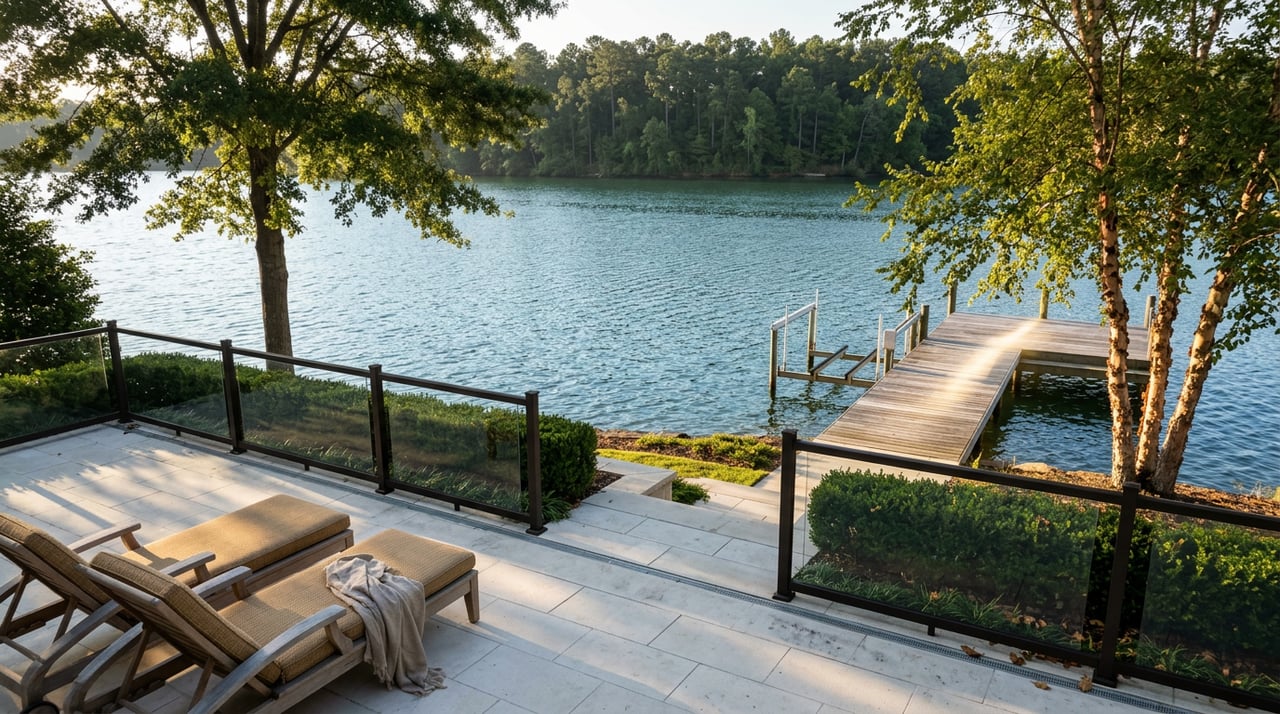
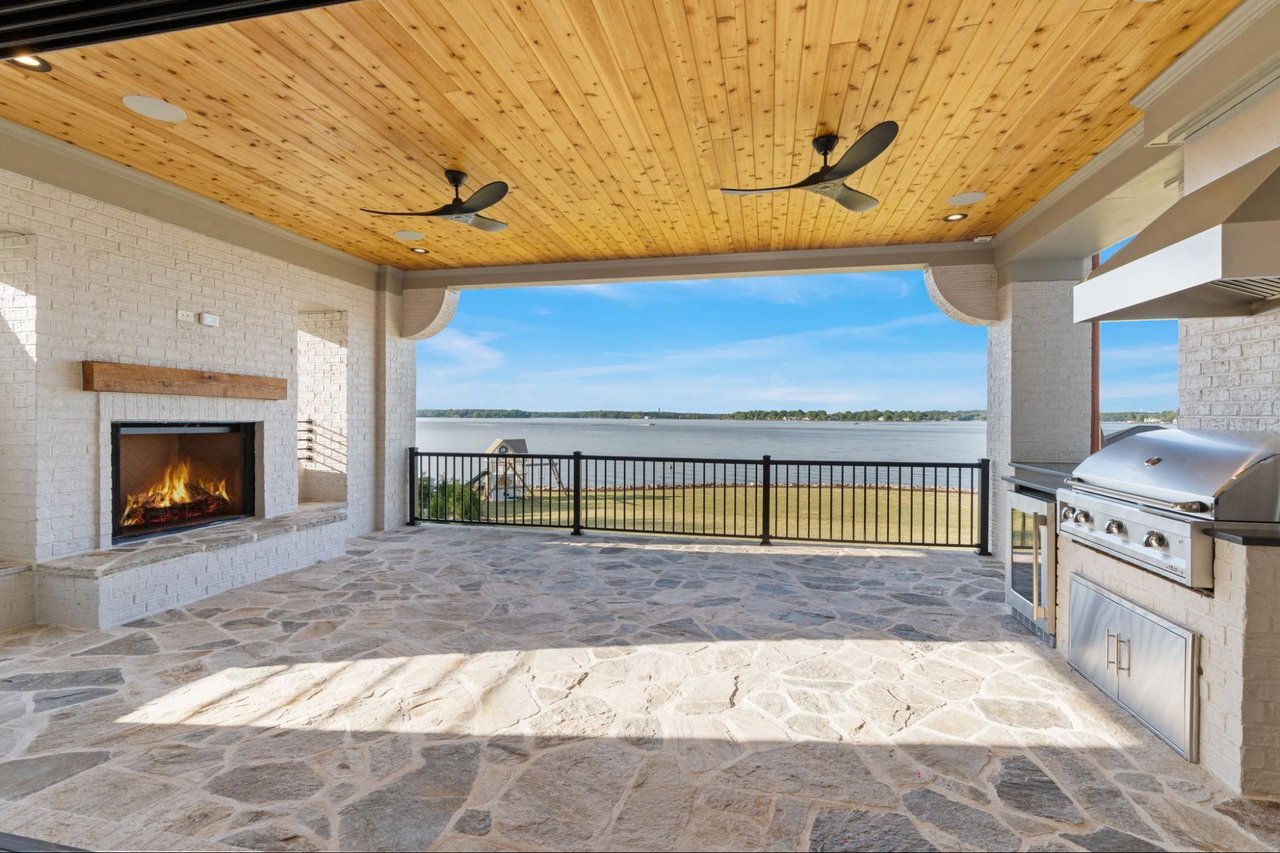
How Lake Norman Homeowners Are Reinventing Outdoor Living for 2026.
Nicole prides herself on being prompt and efficient, keeping her customers informed during every step of the journey, and resolving problems quickly. Her customers often become her friends, and she treats everyone like family. Contact Nicole now!