Of everything that shapes how a home feels, lighting is the most underrated and the easiest to get wrong. I've walked into homes on
Lake Norman with breathtaking water views that go completely flat the moment the sun drops, simply because the lighting was treated as an afterthought. The encouraging part is that thoughtful lighting is one of the easiest ways to make an interior feel custom, far less intensive than new floors or cabinetry. Get it right, and a room works just as beautifully at nine at night as it does at golden hour.
Key Takeaways
- Great interior lighting starts by controlling the natural light a lakefront home already has in abundance.
- Every room needs three layers working together: ambient, task, and accent.
- Bulb color temperature and dimming control do more for atmosphere than the fixtures themselves.
- Smart placement and proper scale are what make lighting feel designed rather than simply installed.
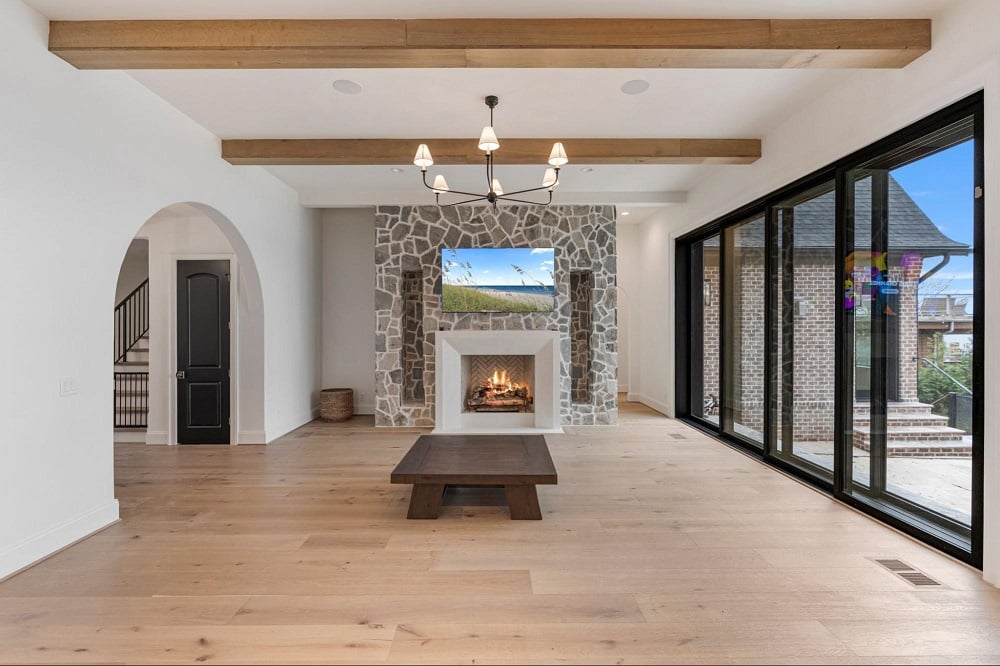
Start With the Light the Lake Already Gives You
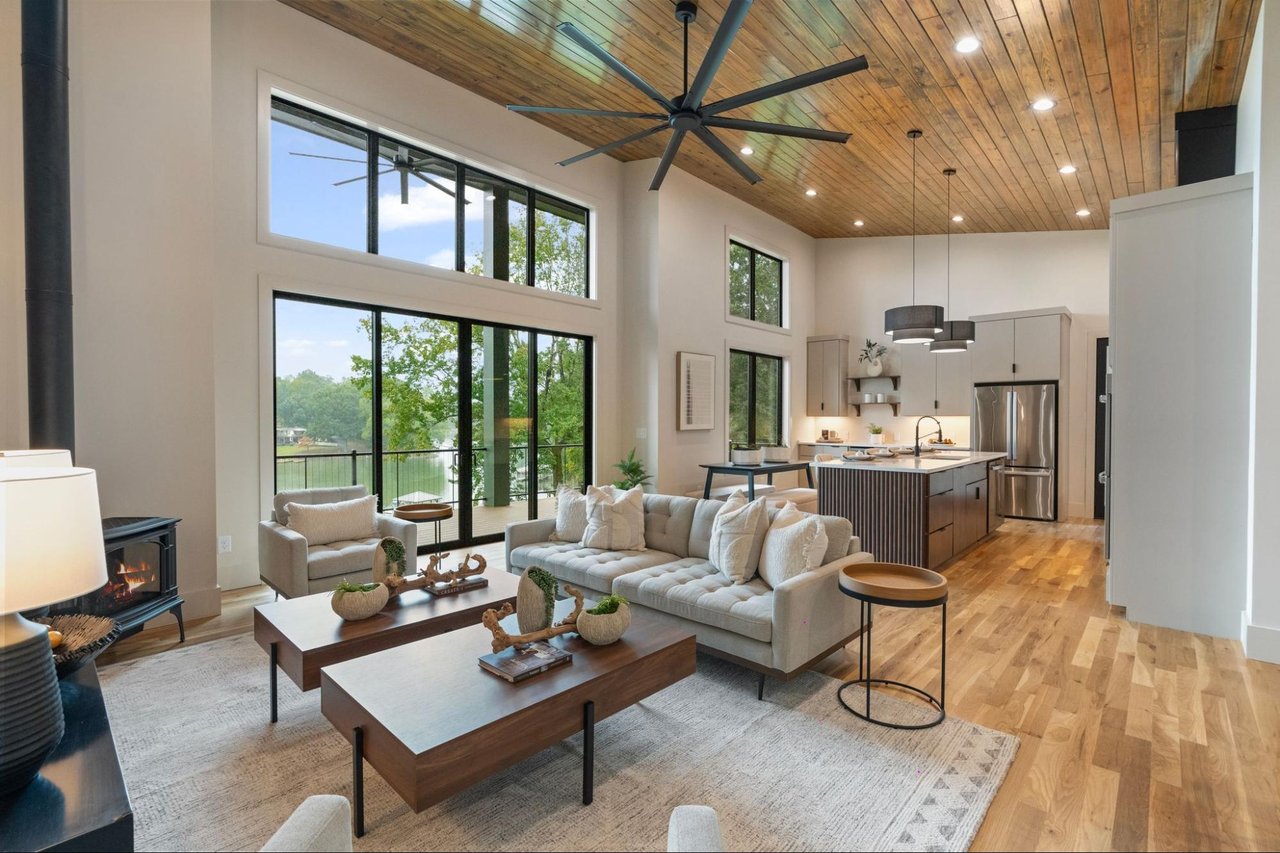
Homes around Lake Norman are flooded with natural light, especially the many that face west toward the afternoon sun. The challenge during the day usually isn't adding light, it's controlling glare and softening the harsh, low-angle sun that bounces off the water in late afternoon.
That abundant daylight is one of the features buyers prize most, and it's a big reason the newest
luxury home trends on Lake Norman keep pushing toward bigger glass and brighter, more open rooms. The smartest lighting plans build on that daylight rather than competing with it.
Ways to Shape the Natural Light
- Hang sheer linen panels that diffuse strong afternoon sun without giving up the view
- Place mirrors on walls perpendicular to your windows to bounce daylight deeper into interior rooms
- Choose matte or low-sheen wall and ceiling finishes near large windows to cut glare off the water
- Install top-down, bottom-up shades so you can block low sun while keeping the shoreline in frame
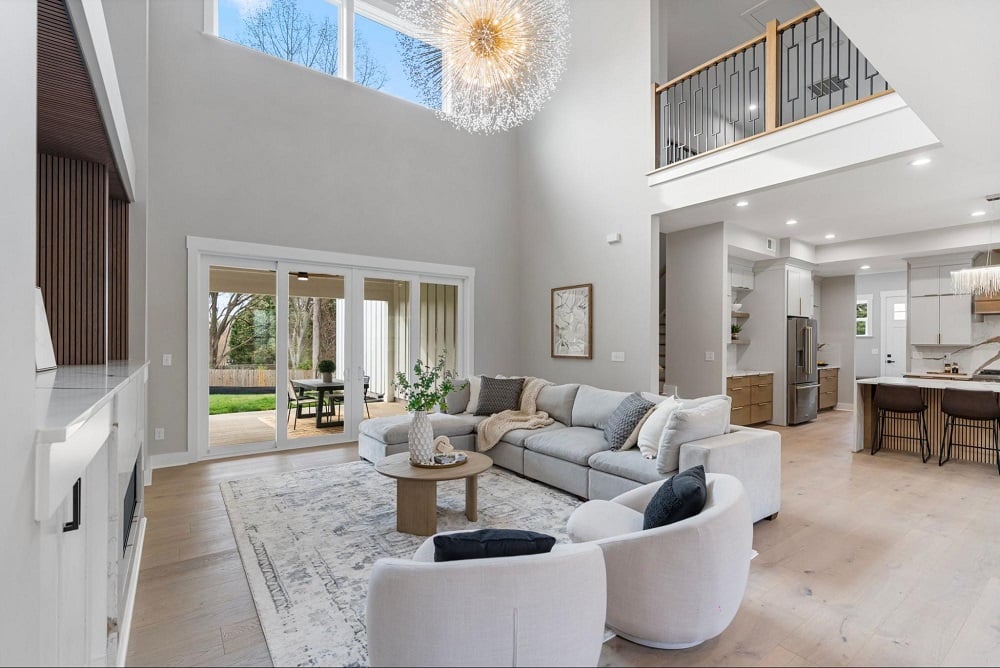
Layer Light in Three Roles
A room lit by a single overhead fixture always feels institutional, no matter how nice that fixture is. The homes that feel warm and finished use several light sources at different heights, each doing one specific job.
The payoff is flexibility. Once the layers are separated onto different switches, the same kitchen can be bright and functional for cooking or low and restful for a glass of wine at the island.
The Three Layers Every Room Needs
- Ambient light from recessed cans or a central fixture for overall fill, ideally on its own dimmer
- Task light from under-cabinet strips, island pendants, and reading lamps placed where you actually work or read
- Accent light from picture lights, toe-kick strips, or an LED wash that highlights a stone wall or built-in shelving
- A statement fixture at eye level, like a dining chandelier or sculptural pendant, to give each main room a clear focal point
Get the Technical Details Right
The fixtures get all the attention, but the technical details quietly decide whether your lighting reads as luxurious. Color temperature and dimming, in particular, are where most homes either succeed or fail.
Details That Separate Good From Great
- Stick to warm bulbs in the 2700K to 3000K range for living spaces, and keep every bulb in a single room matched
- Put as many fixtures as possible on dimmers, so one space can flex from bright and practical to soft and intimate
- Hang island pendants 30 to 36 inches above the counter, and center dining fixtures about 30 inches above the table
- Choose fixtures scaled to the room, since an undersized chandelier is one of the fastest ways to make a grand space feel smaller
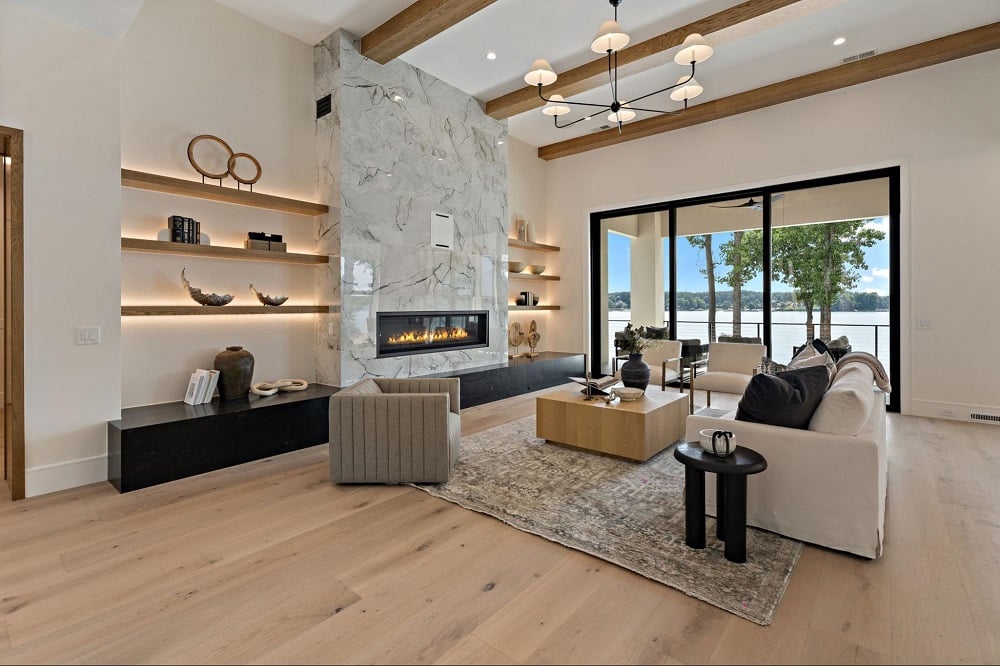
Match the Lighting to the Room and the Lake
Lighting should answer to how a room is actually used and how it connects to the water beyond the glass. A lakefront living room has very different needs from a windowless pantry, and the best plans treat each space on its own terms.
Increasingly, my clients also want lighting that responds to the season and time of day on its own, part of the broader move toward smart, low-effort luxury in newer and renovated homes around the lake.
Room-by-Room Considerations
- In open lake rooms, light the perimeter and ceiling softly so the eye stays on the sunset, not the bulbs
- In kitchens, combine bright task lighting for prep with dimmable accents for entertaining after dinner
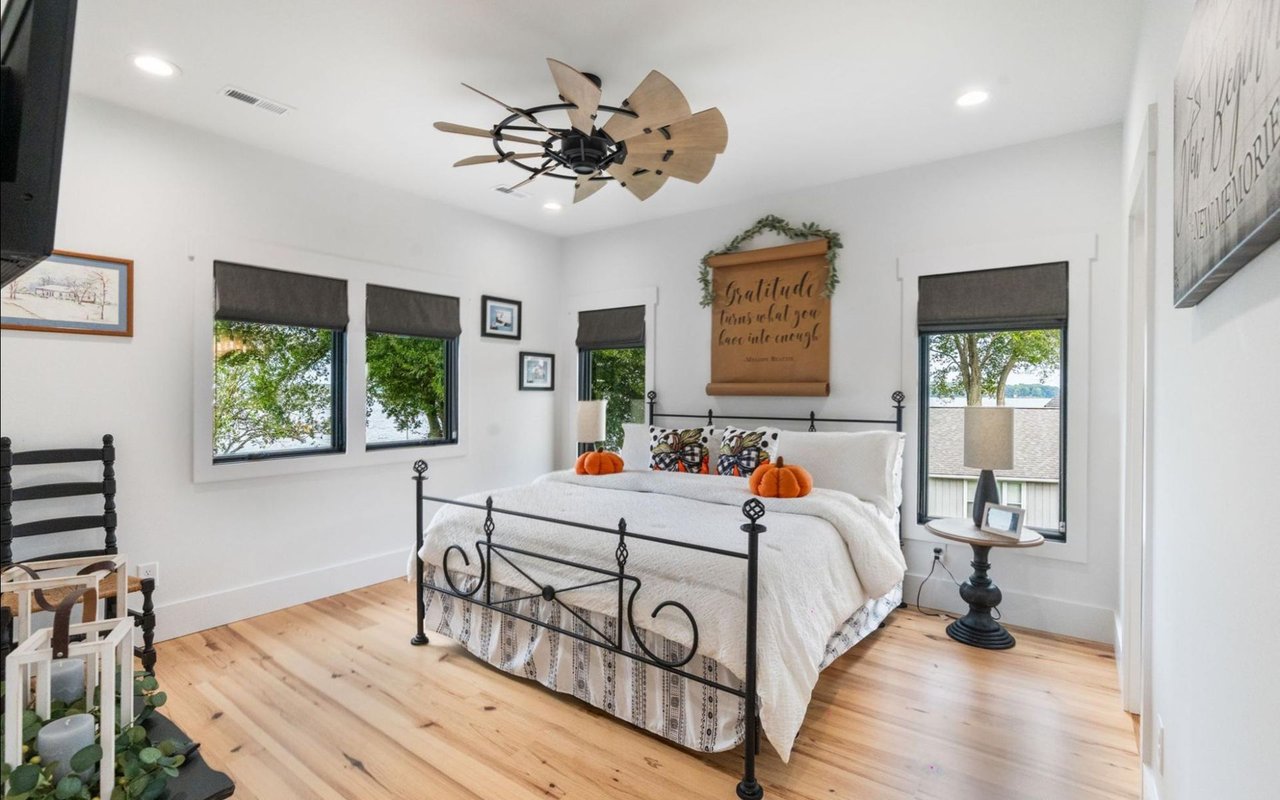
- In primary suites, keep overheads low and warm, then add bedside and reading sources on separate controls
- On porches and docks, add warm, shielded fixtures that extend the room outdoors without washing out the night sky
FAQs
What's the single biggest lighting mistake homeowners make?
Relying on one bright overhead light per room. Adding even one or two lower sources, like a lamp and an accent light, instantly makes a space feel warmer, larger, and more expensive.
Are smart lighting systems worth it on Lake Norman?
For many of my clients, absolutely. Being able to set scenes and schedules adds real day-to-day ease, and buyers increasingly expect that level of convenience and control in luxury homes around the lake.
Does lighting actually affect resale value?
It affects perception, and perception drives offers. Well-lit homes photograph better online and feel more inviting in person, and that consistently helps a listing stand out in a competitive market.
Contact Nicole Leininger Today
If you're updating a home or getting one ready for the market, smart lighting choices are some of the highest-return improvements you can make. Reach out to me,
Nicole Leininger, and I'll help you see your space (and its full potential) in a whole new light.
From cozy cottages in Mooresville to estates in Cornelius and Davidson, I understand how the right lighting transforms a Lake Norman home for both everyday living and a strong sale. Let's make sure yours looks its best at every hour of the day.